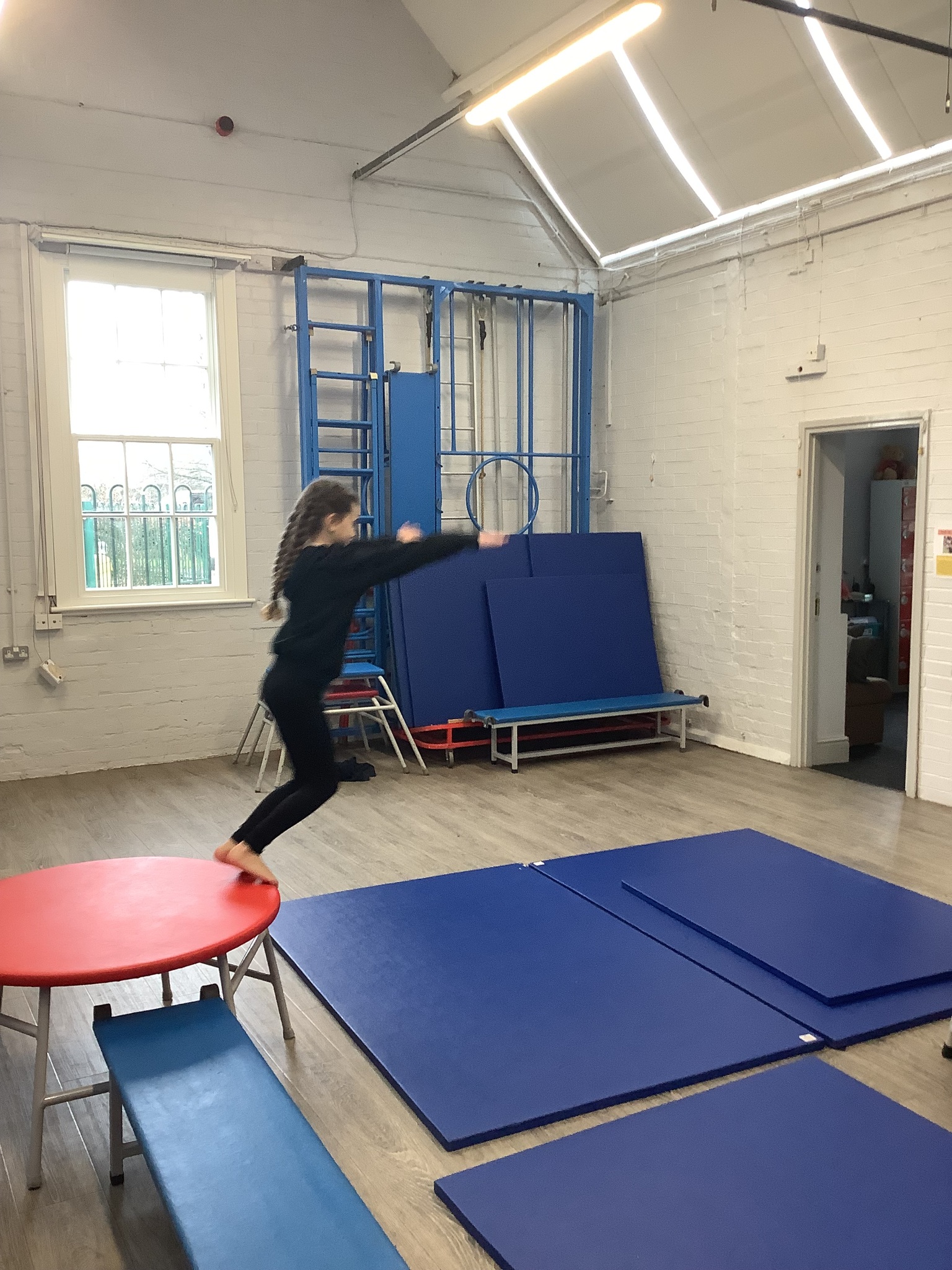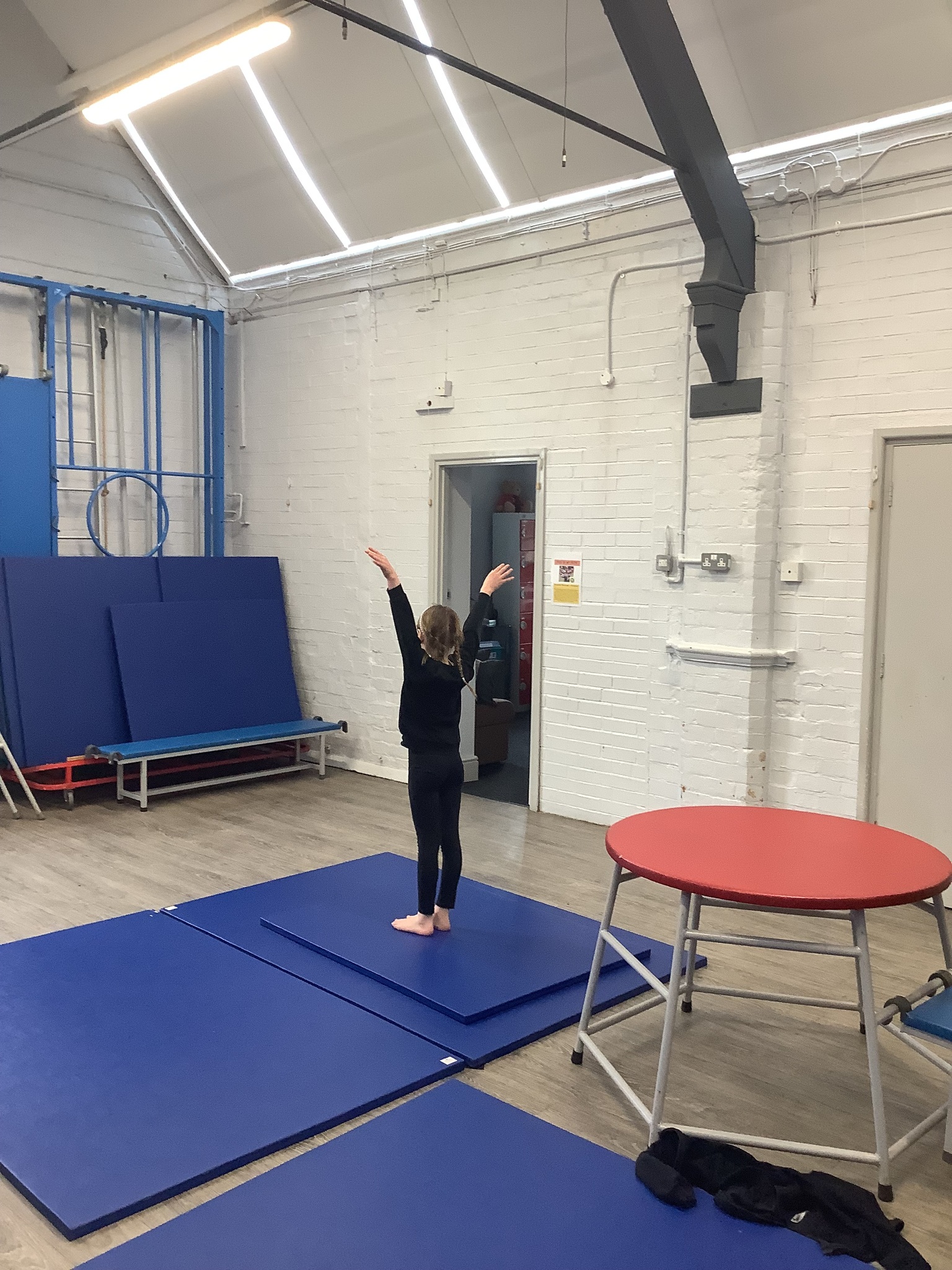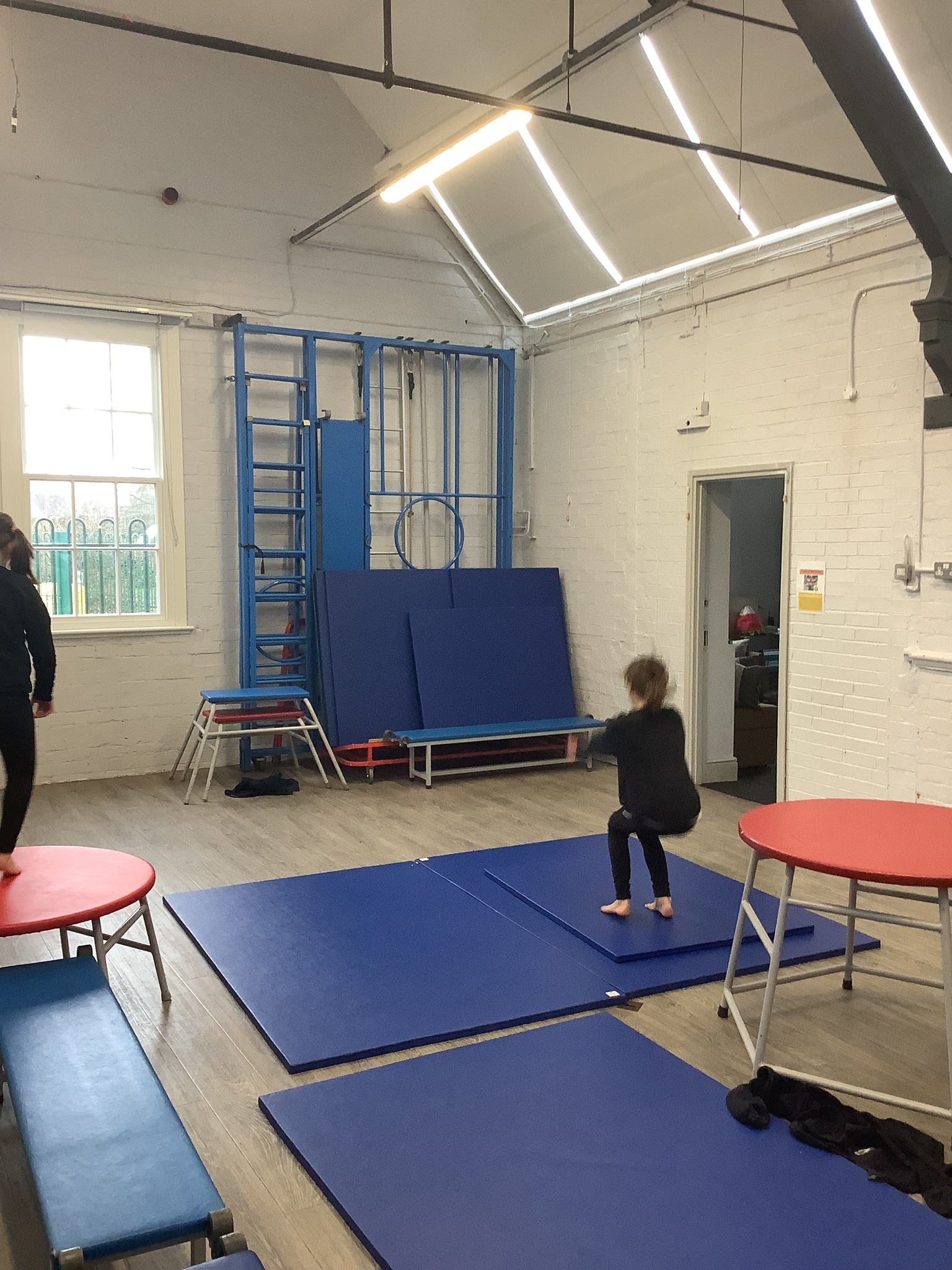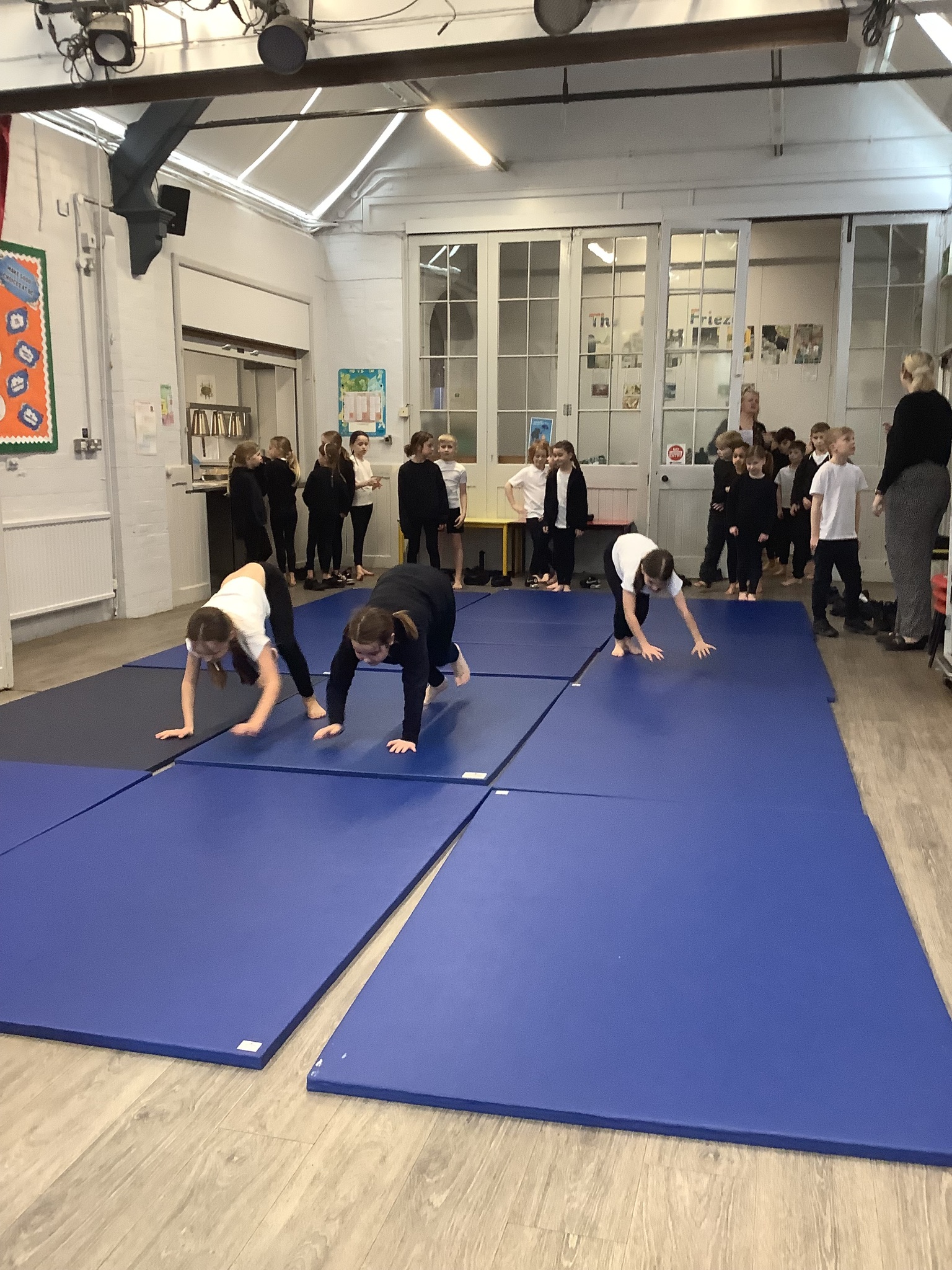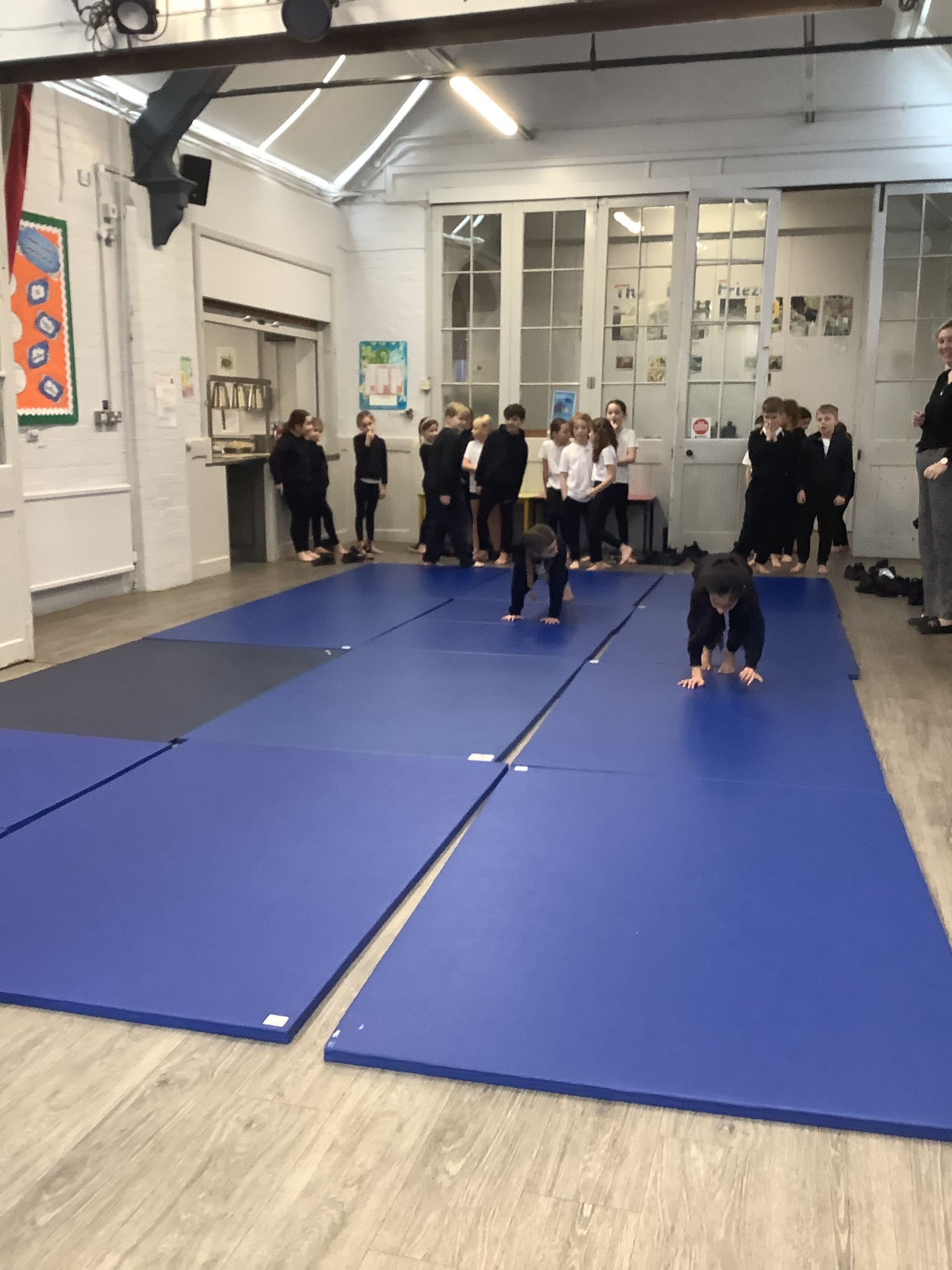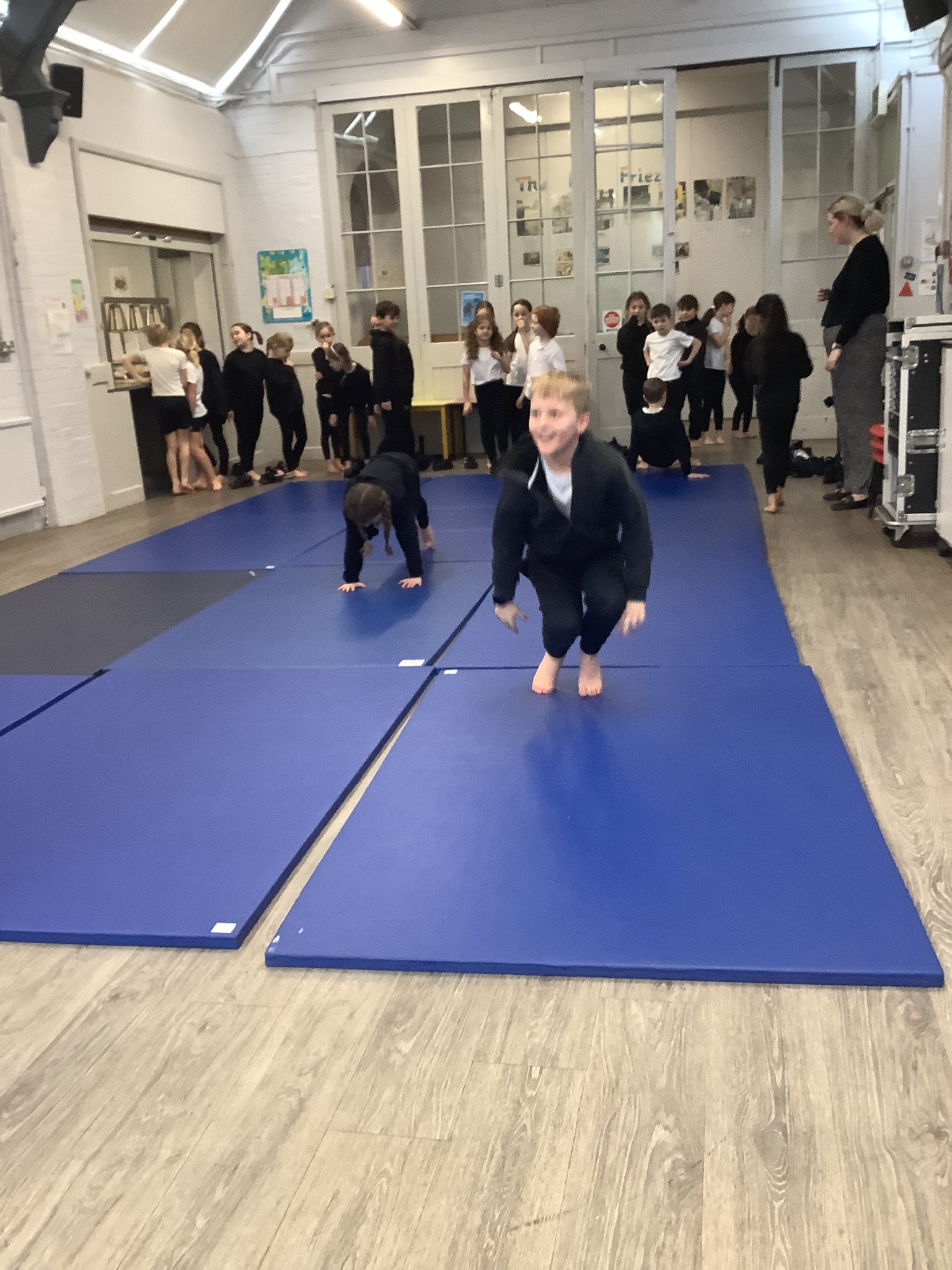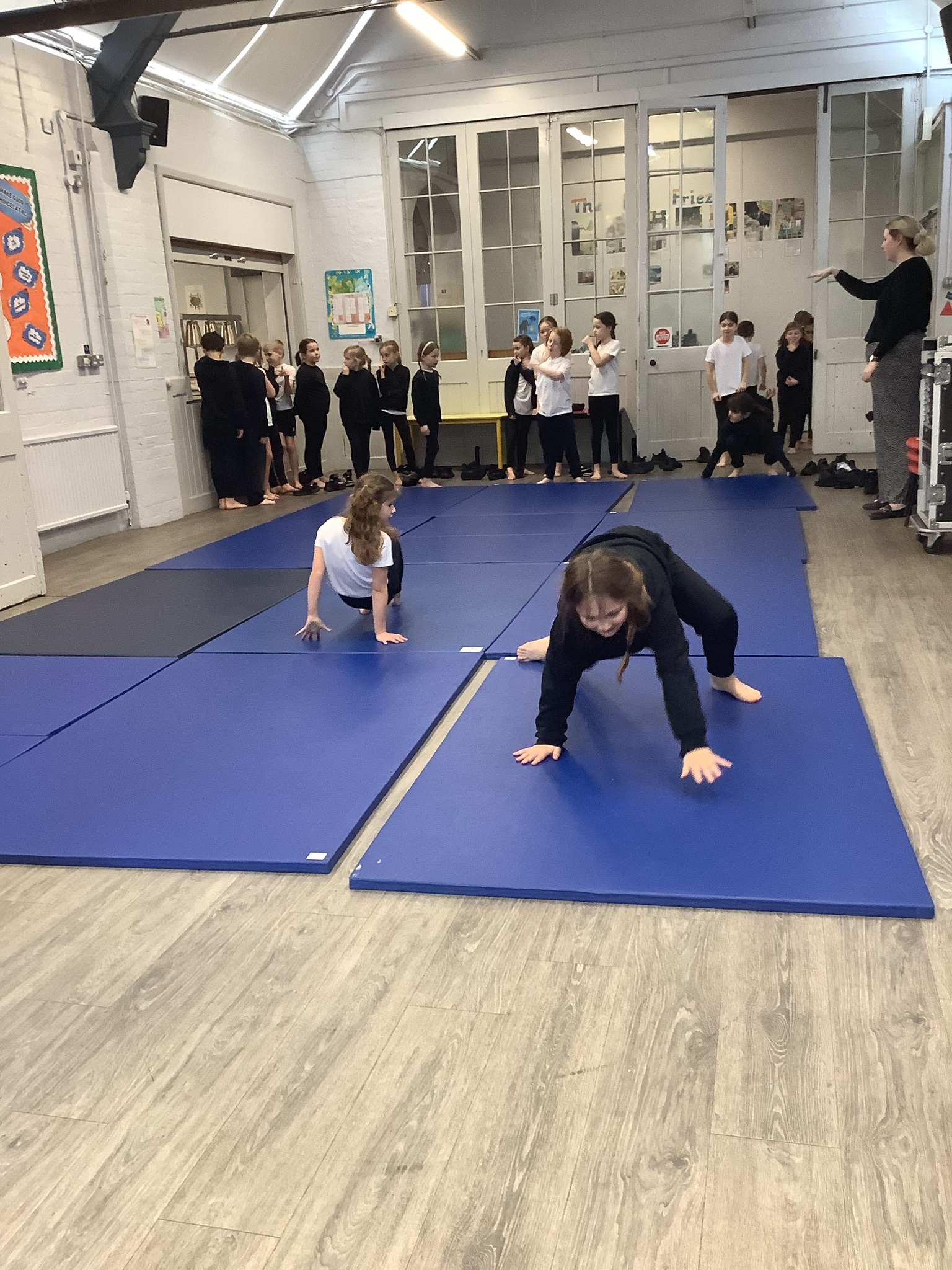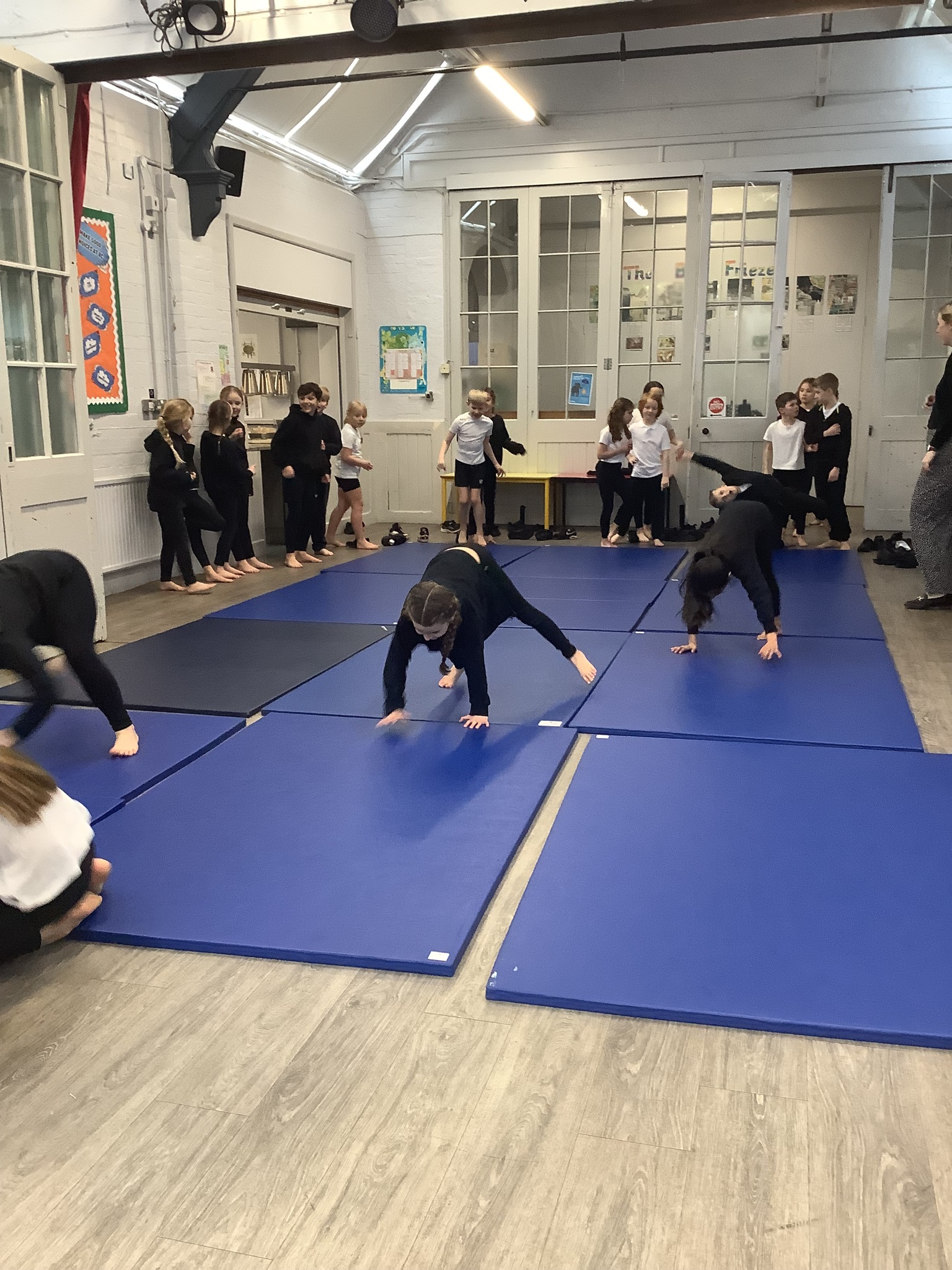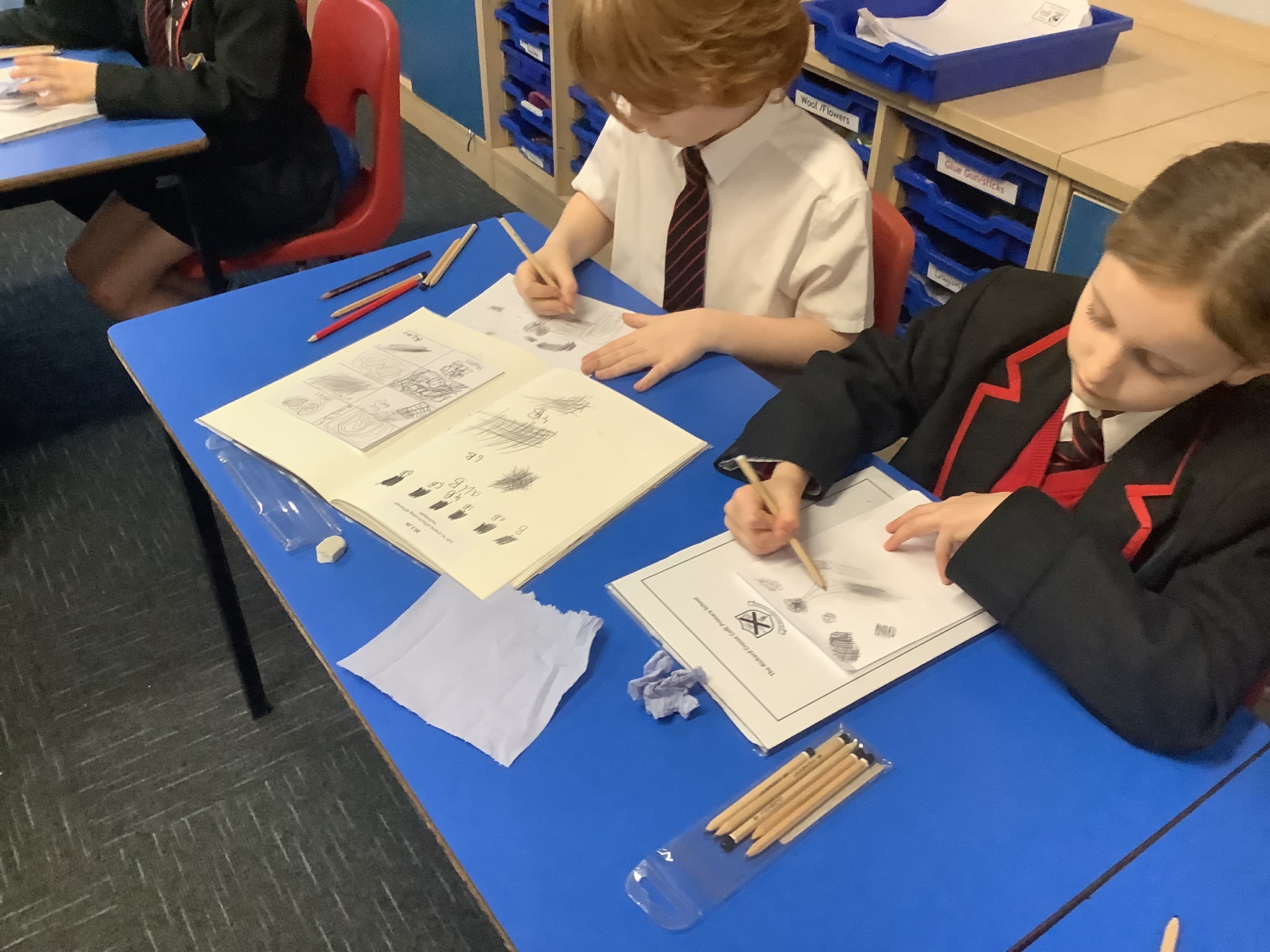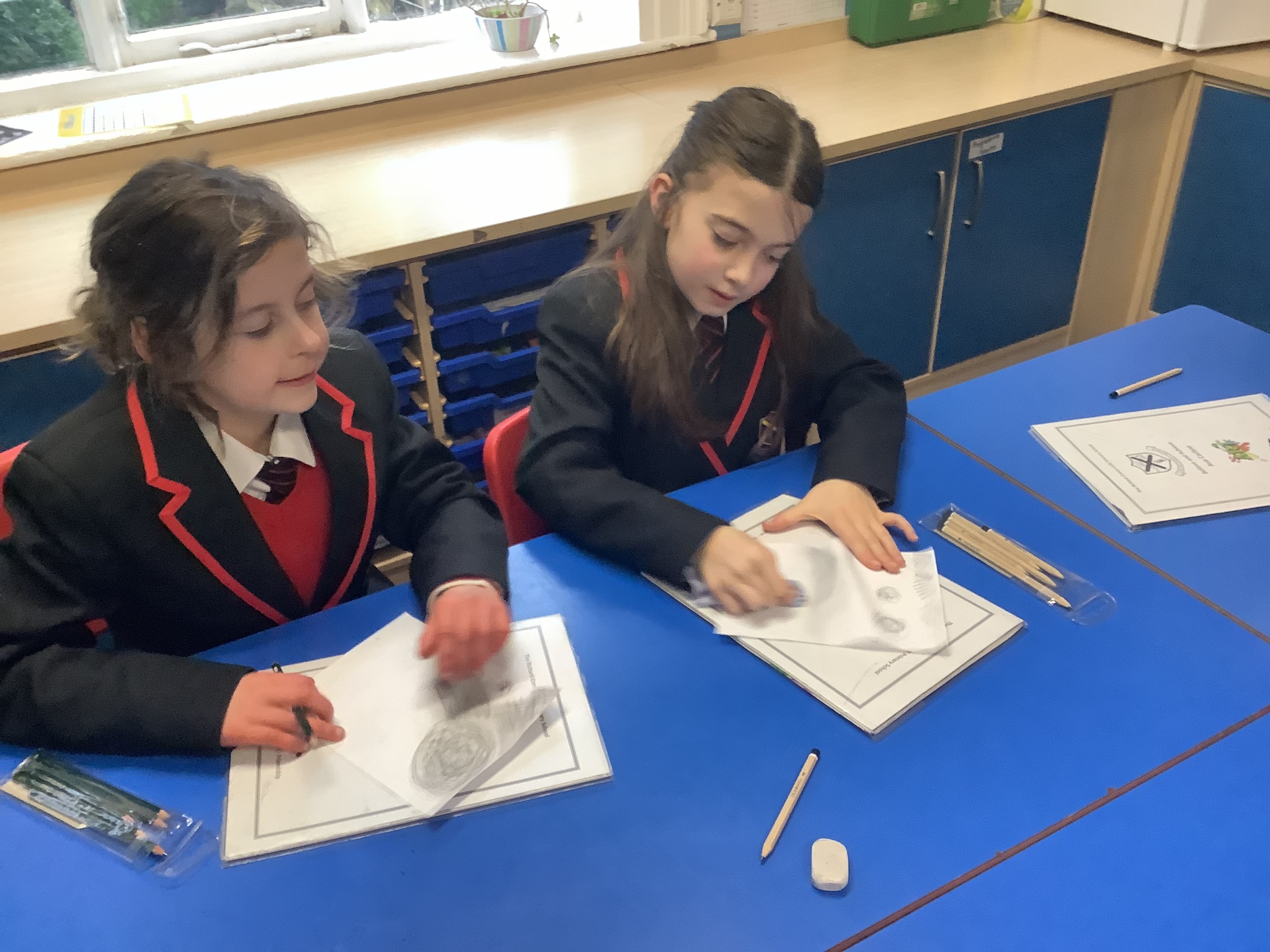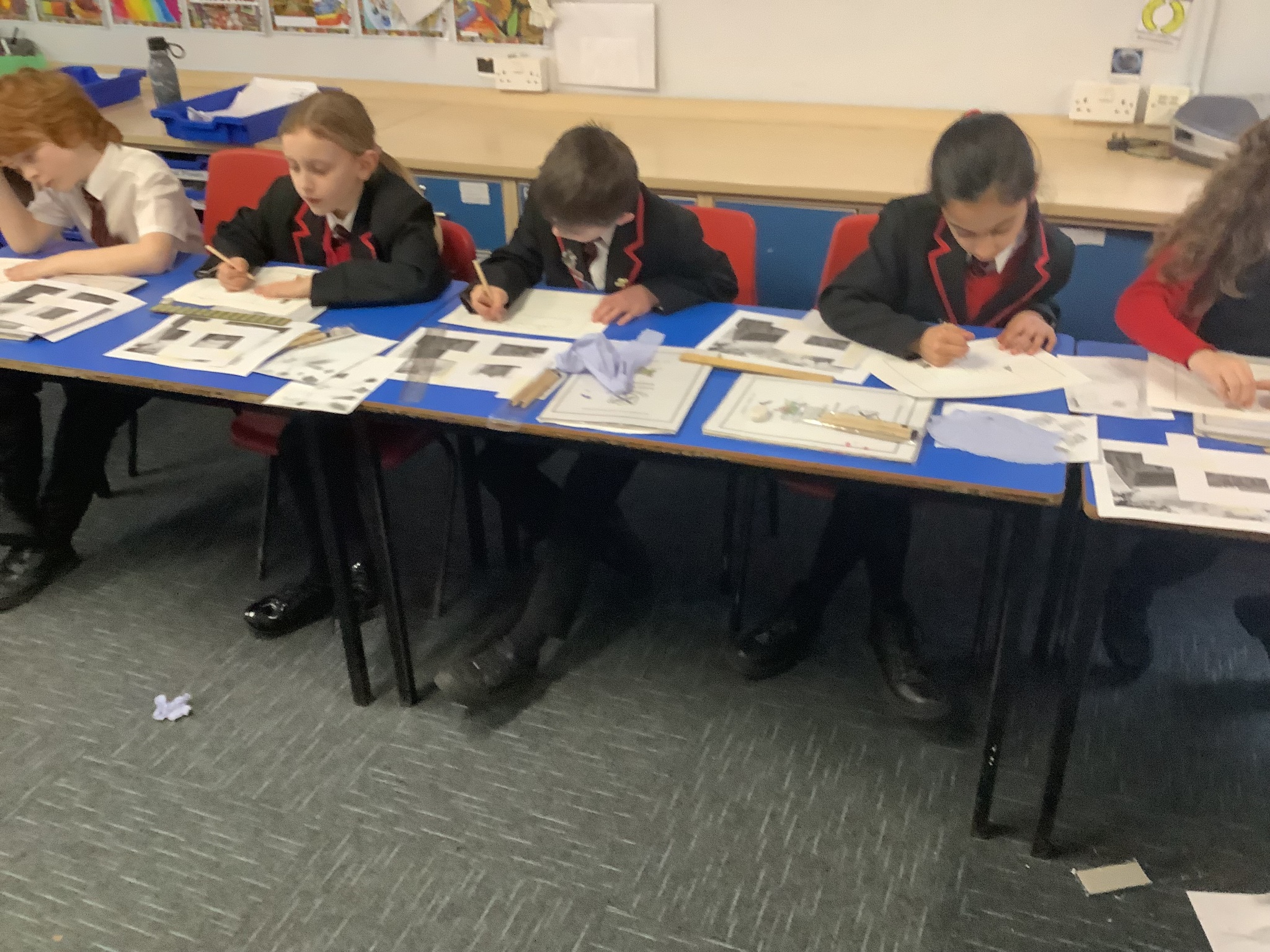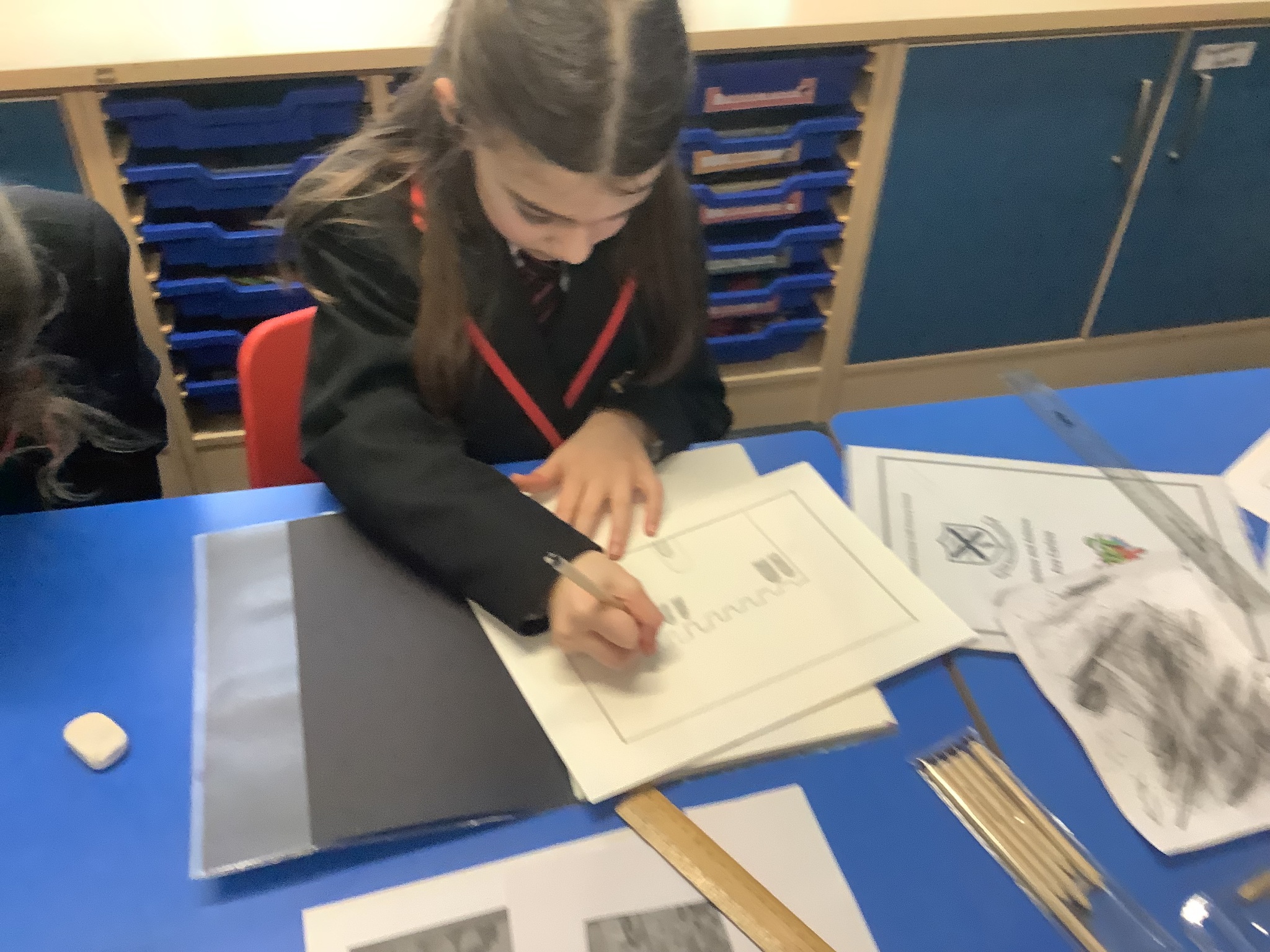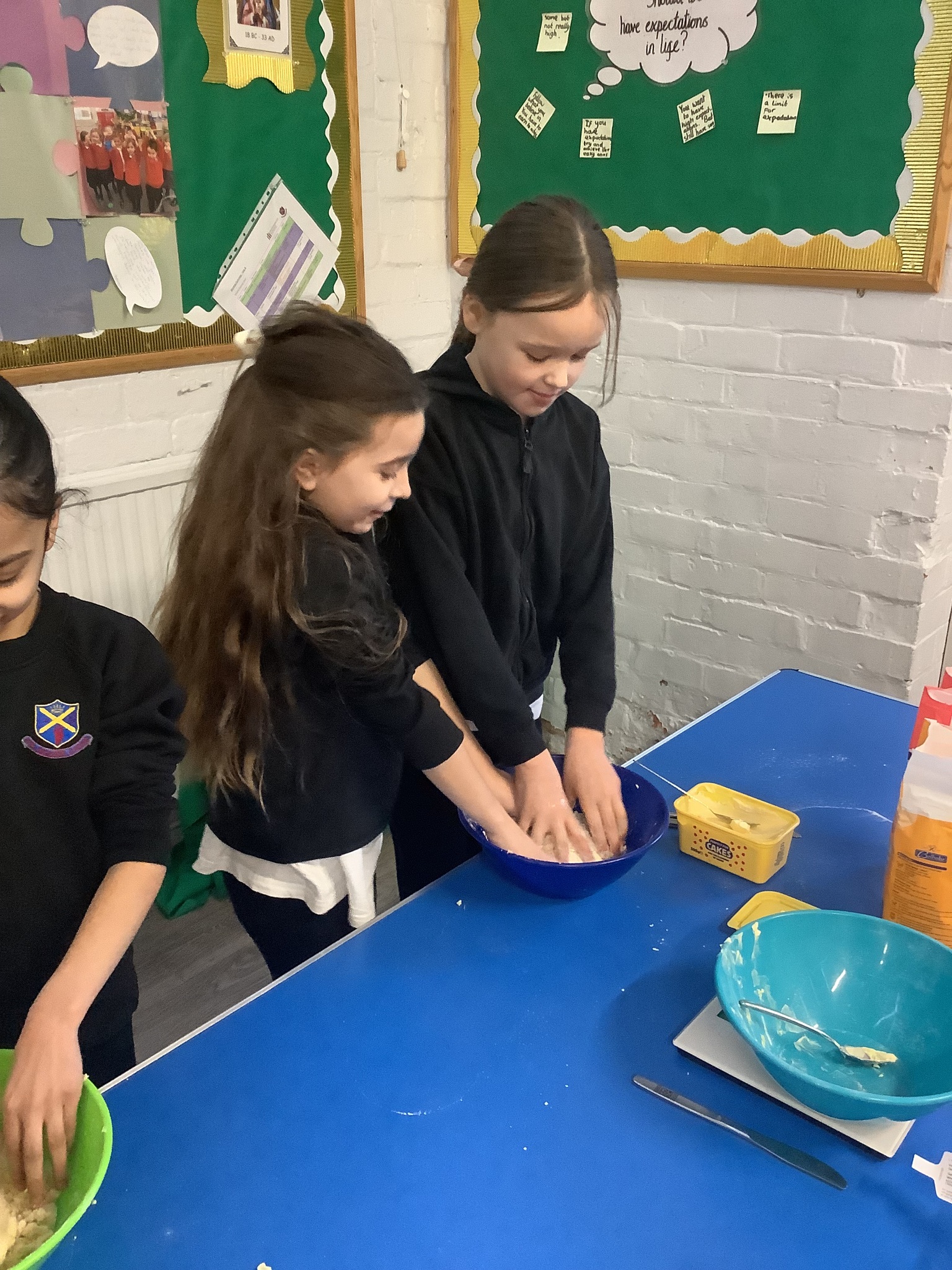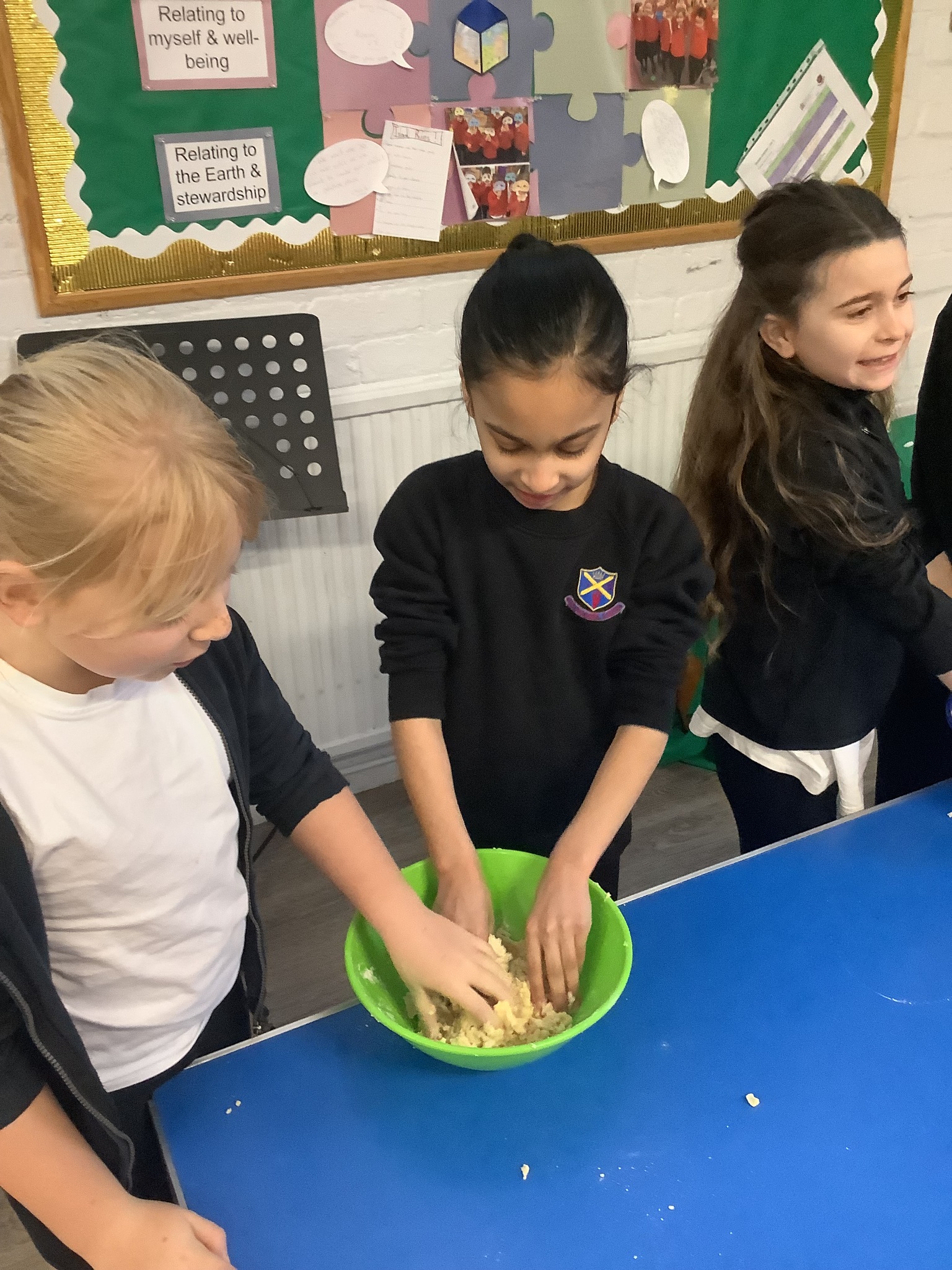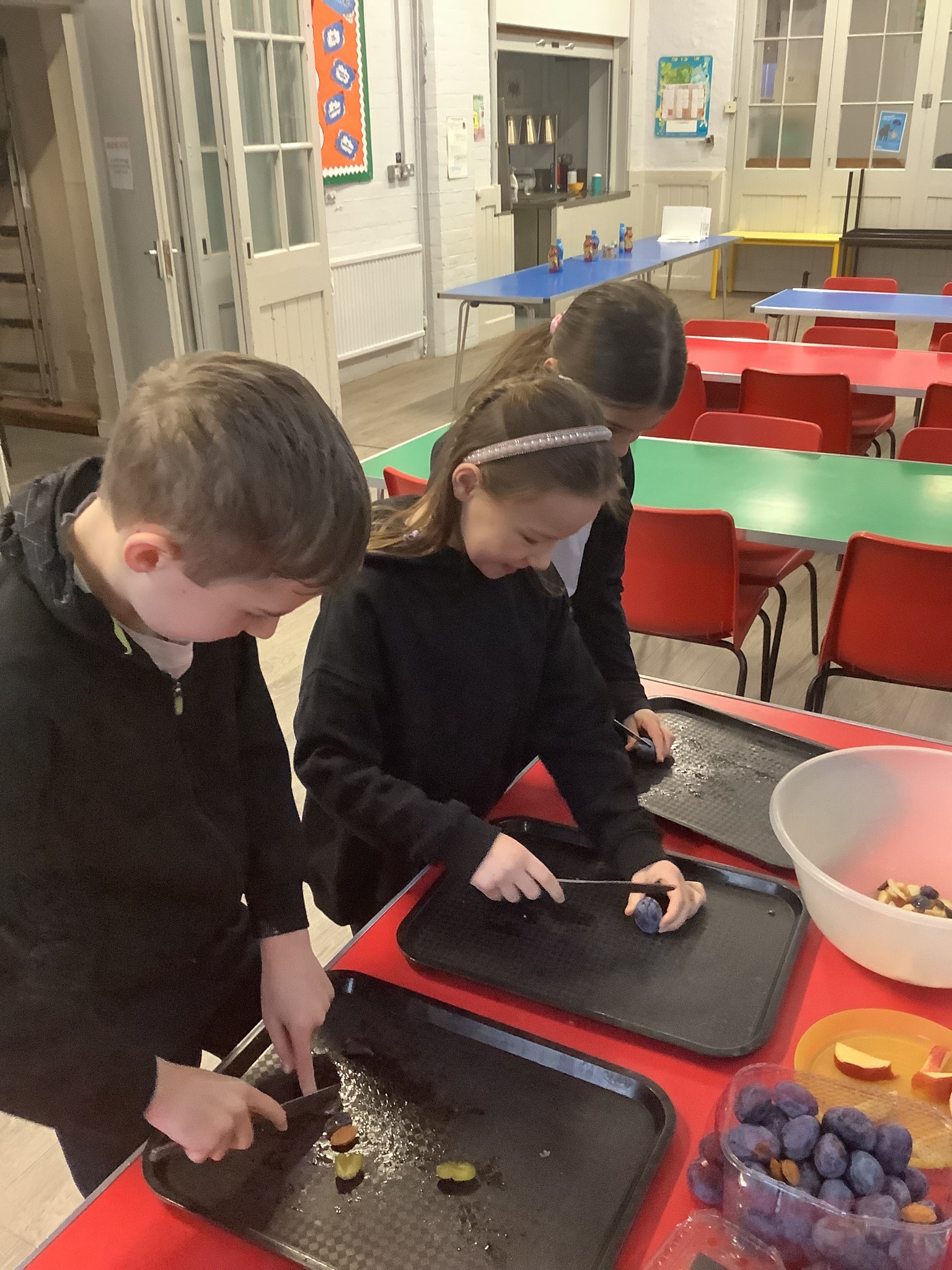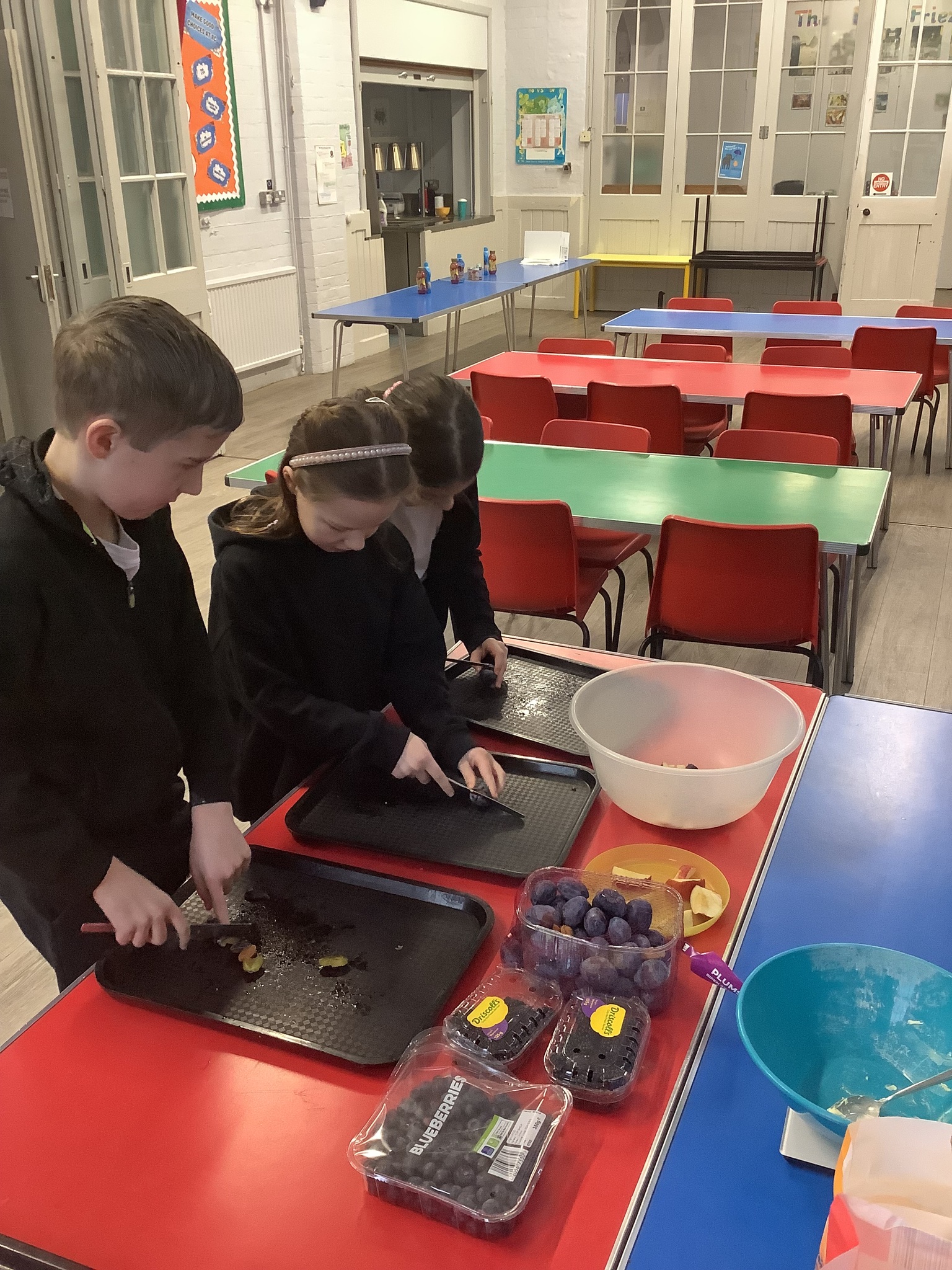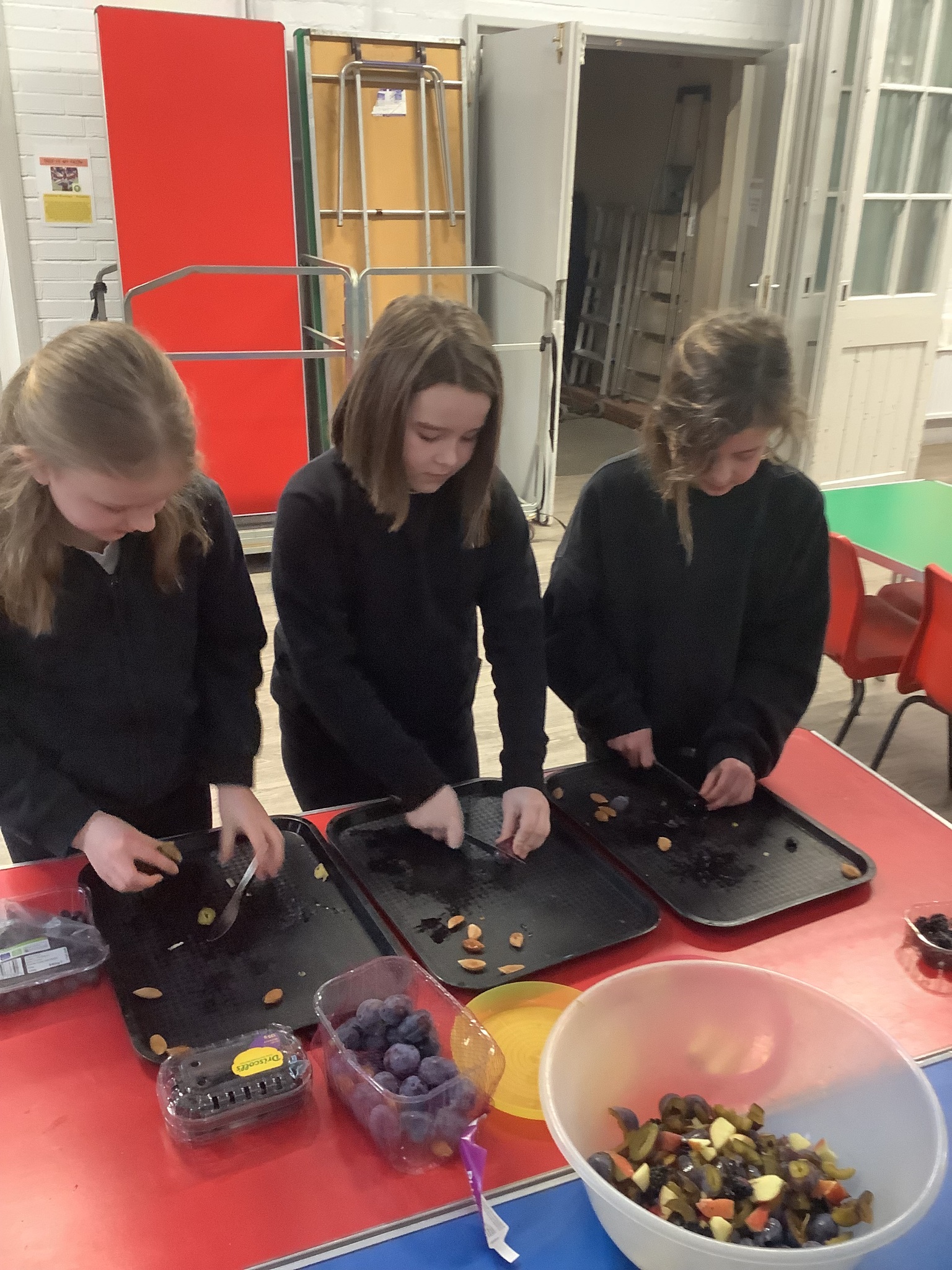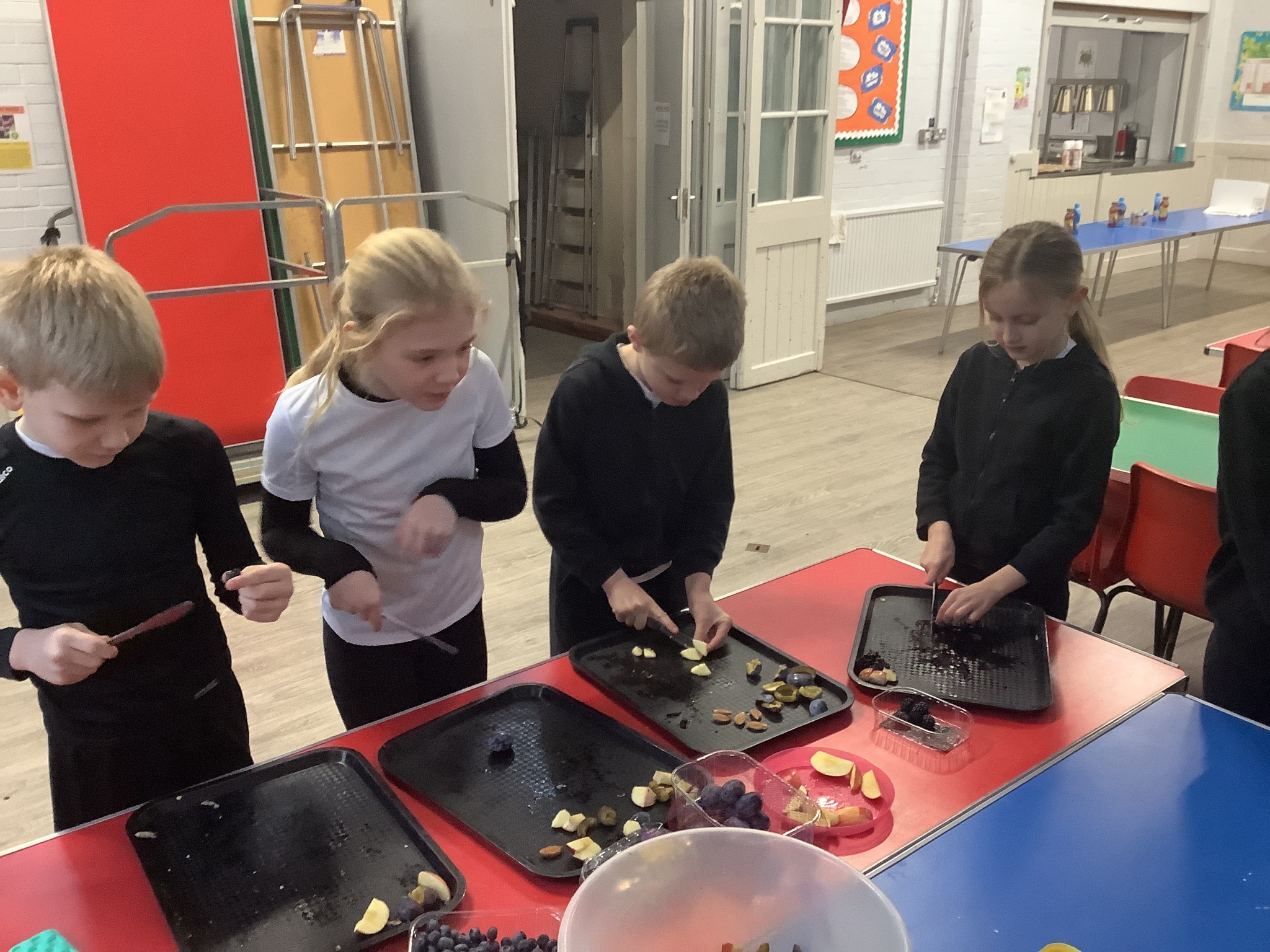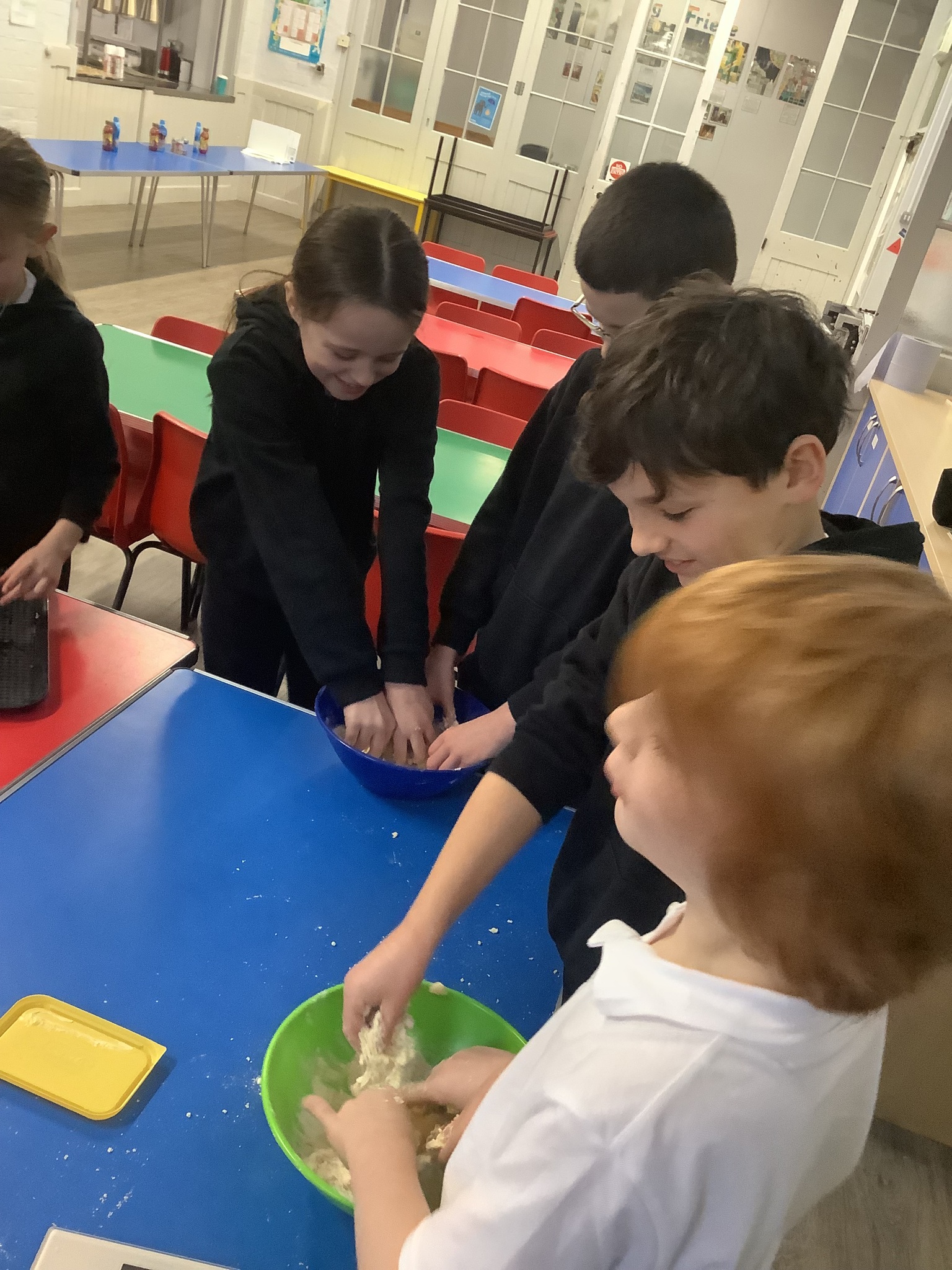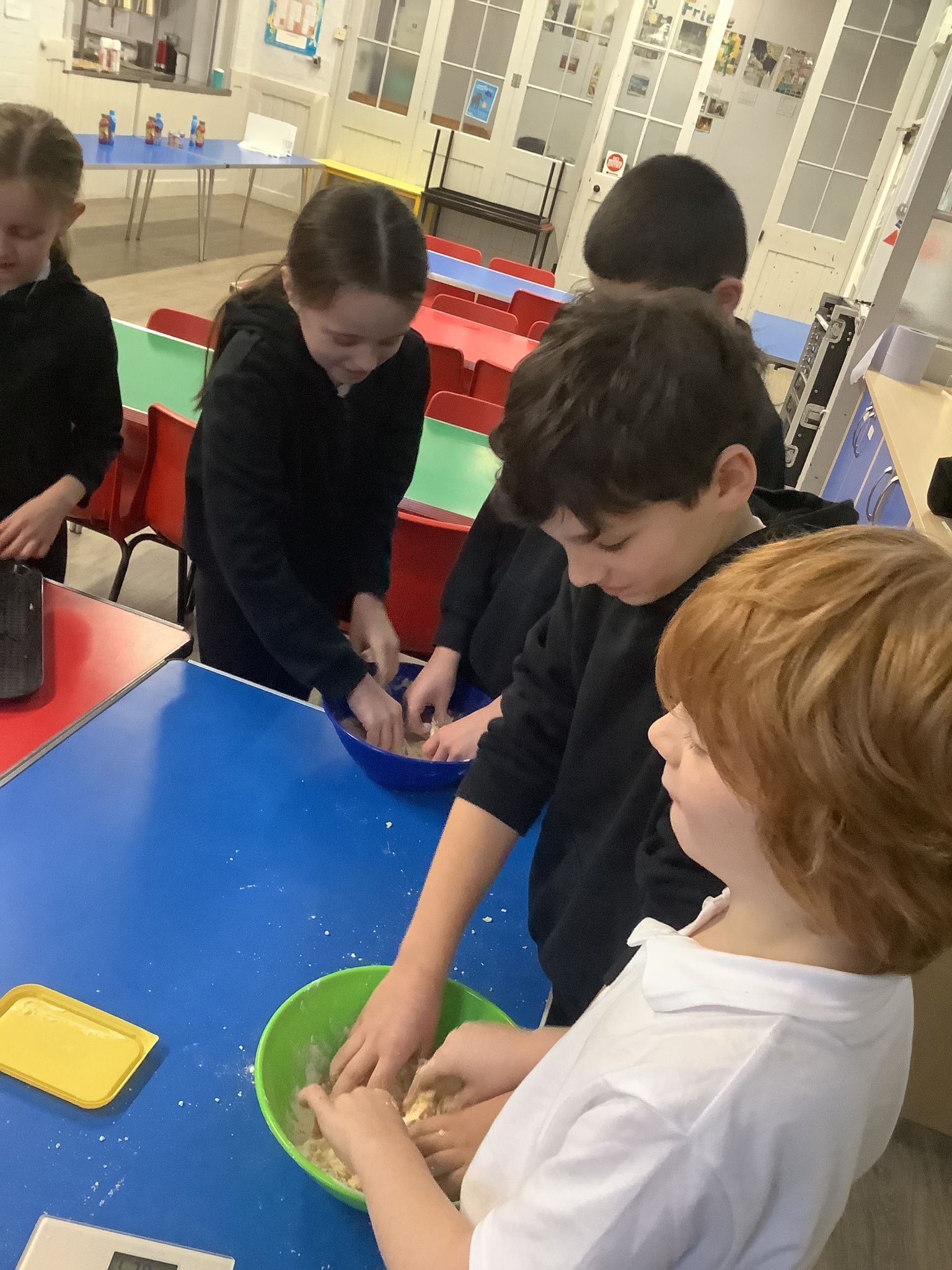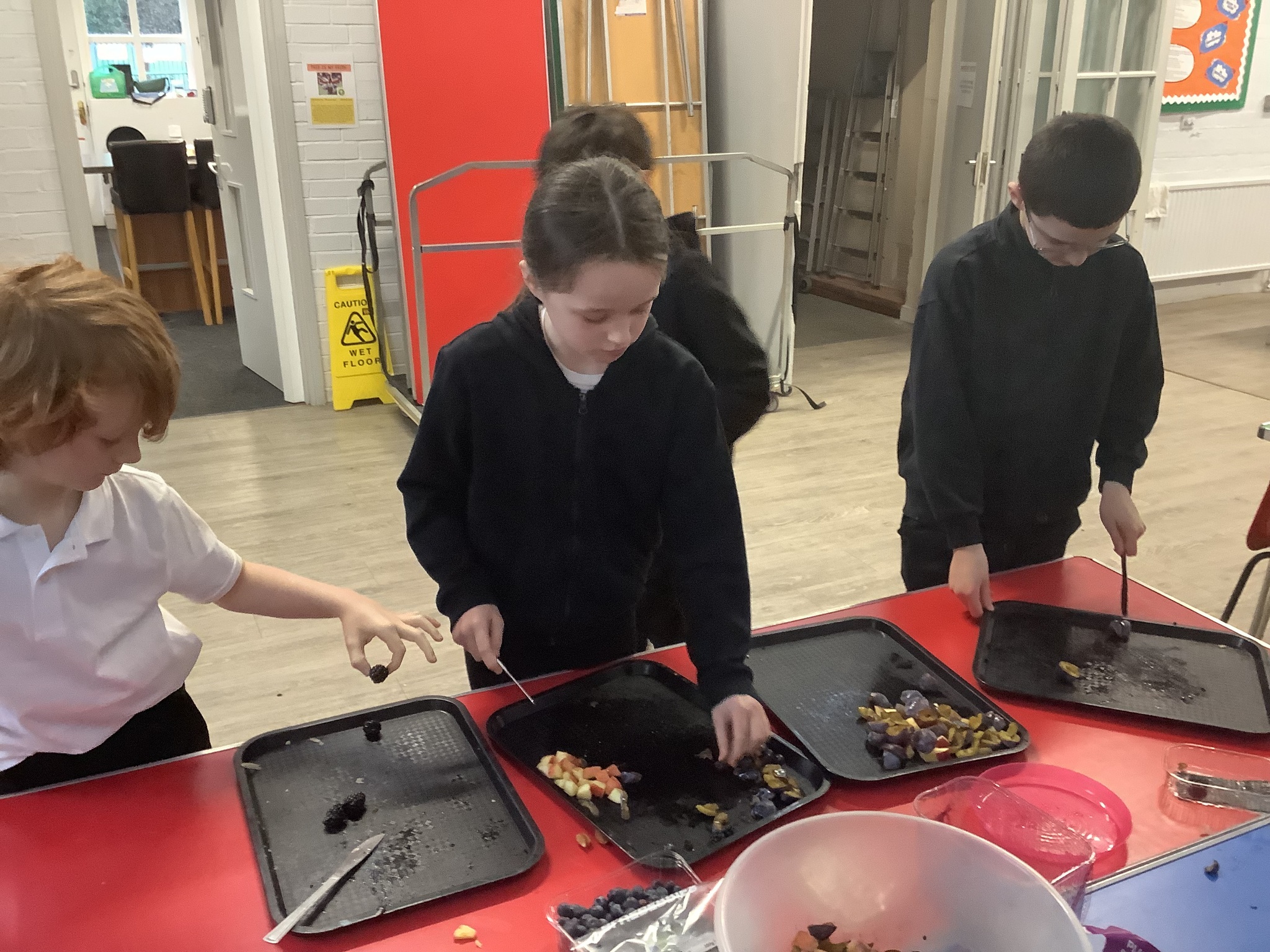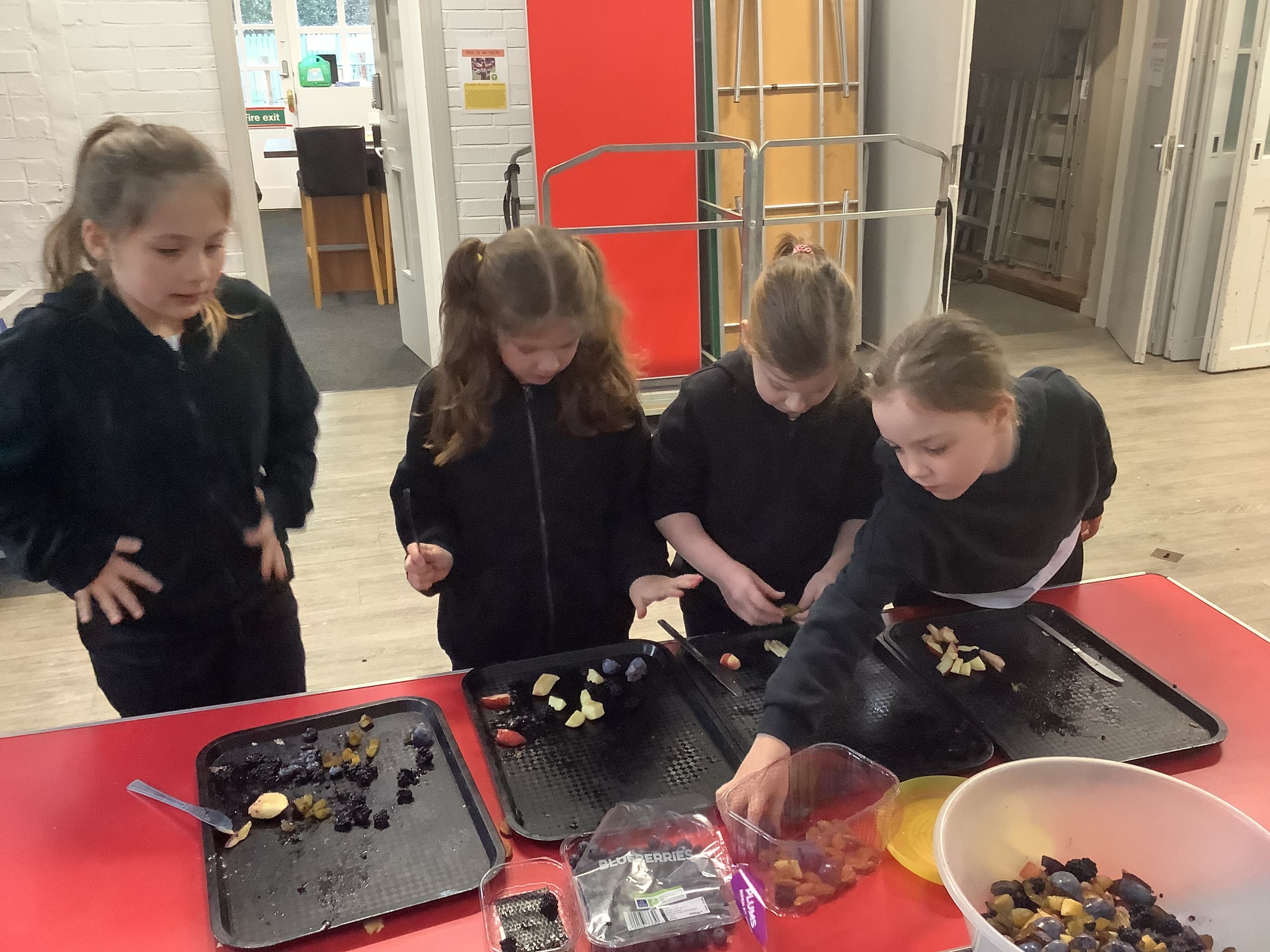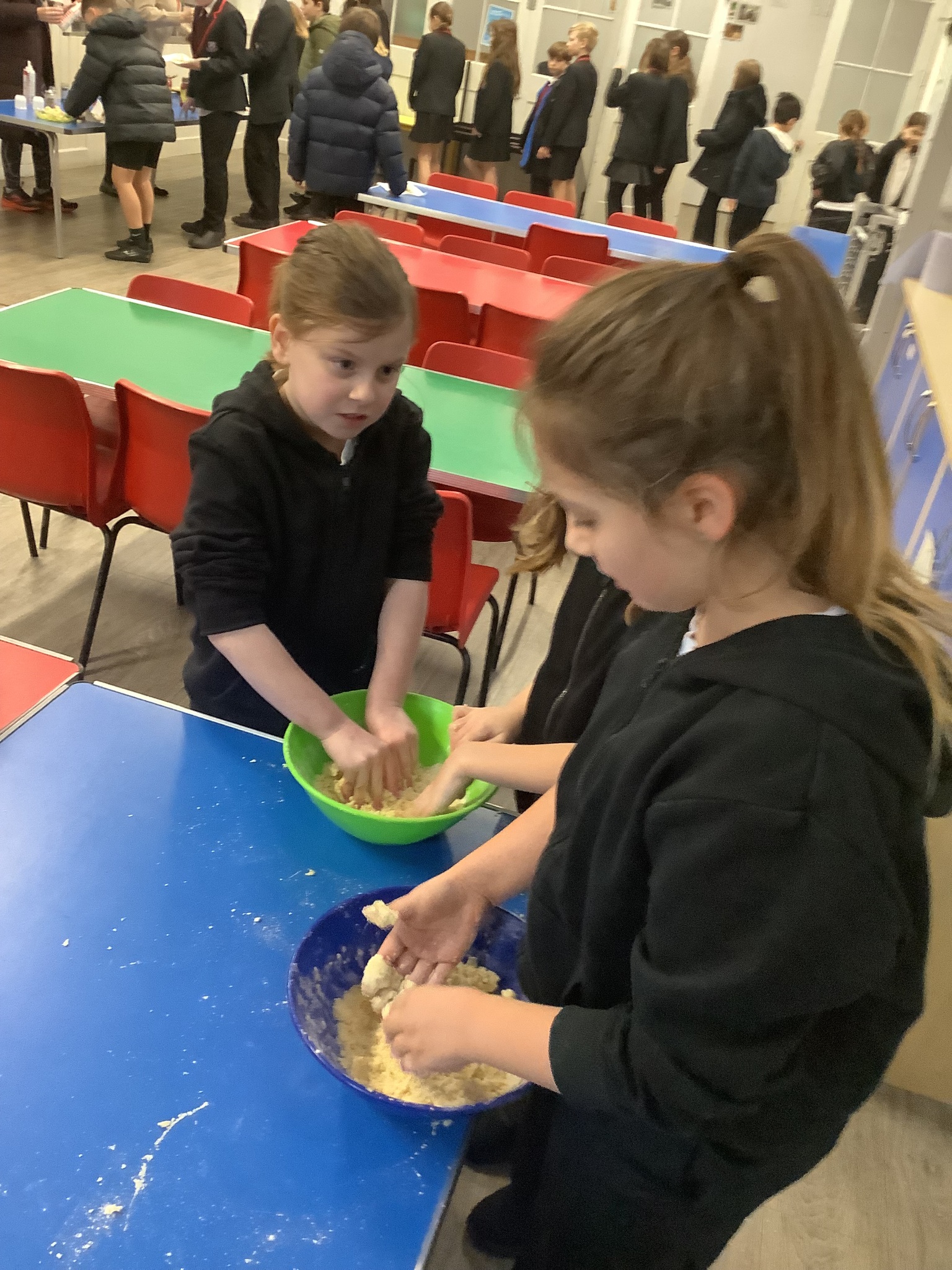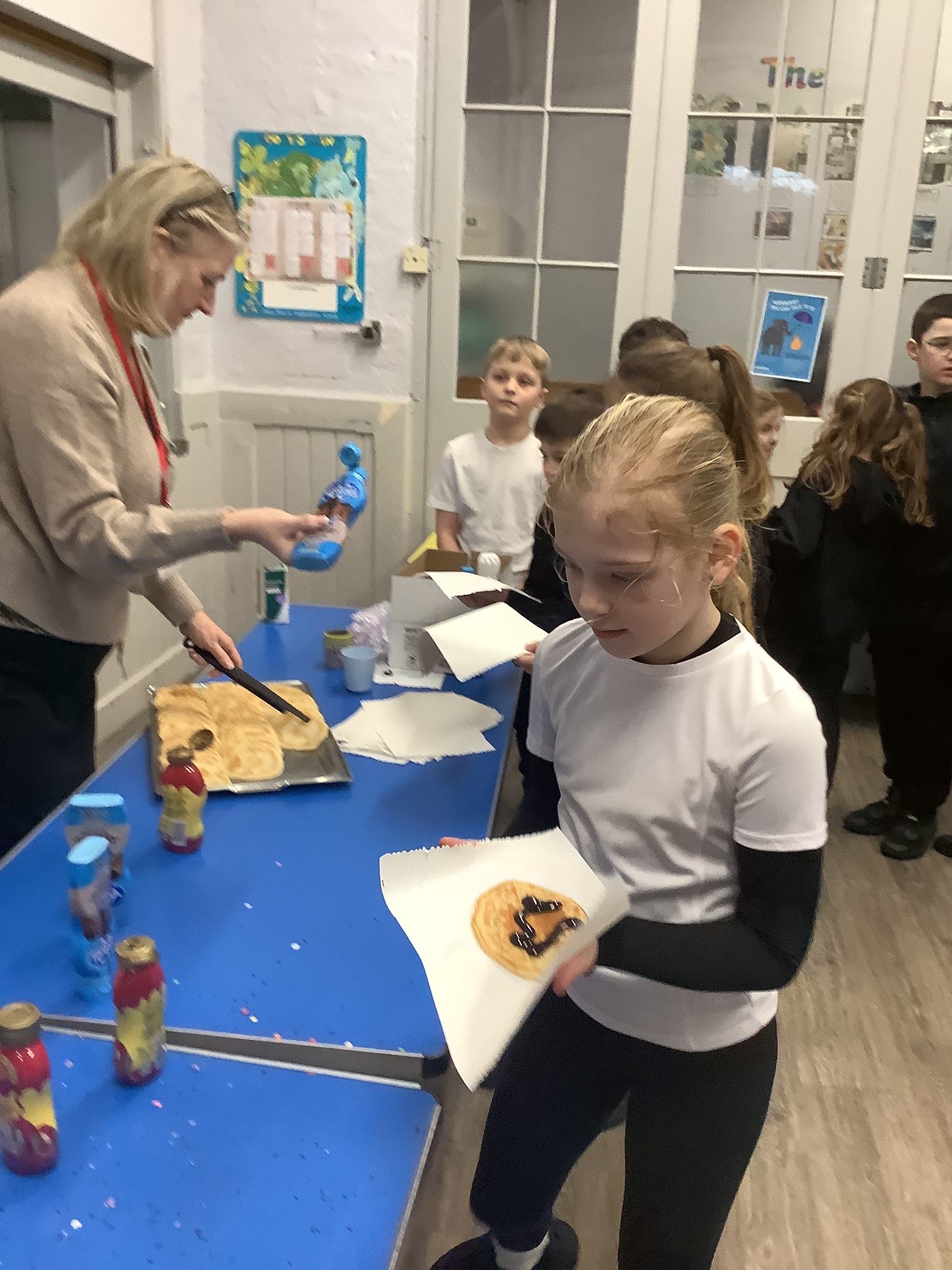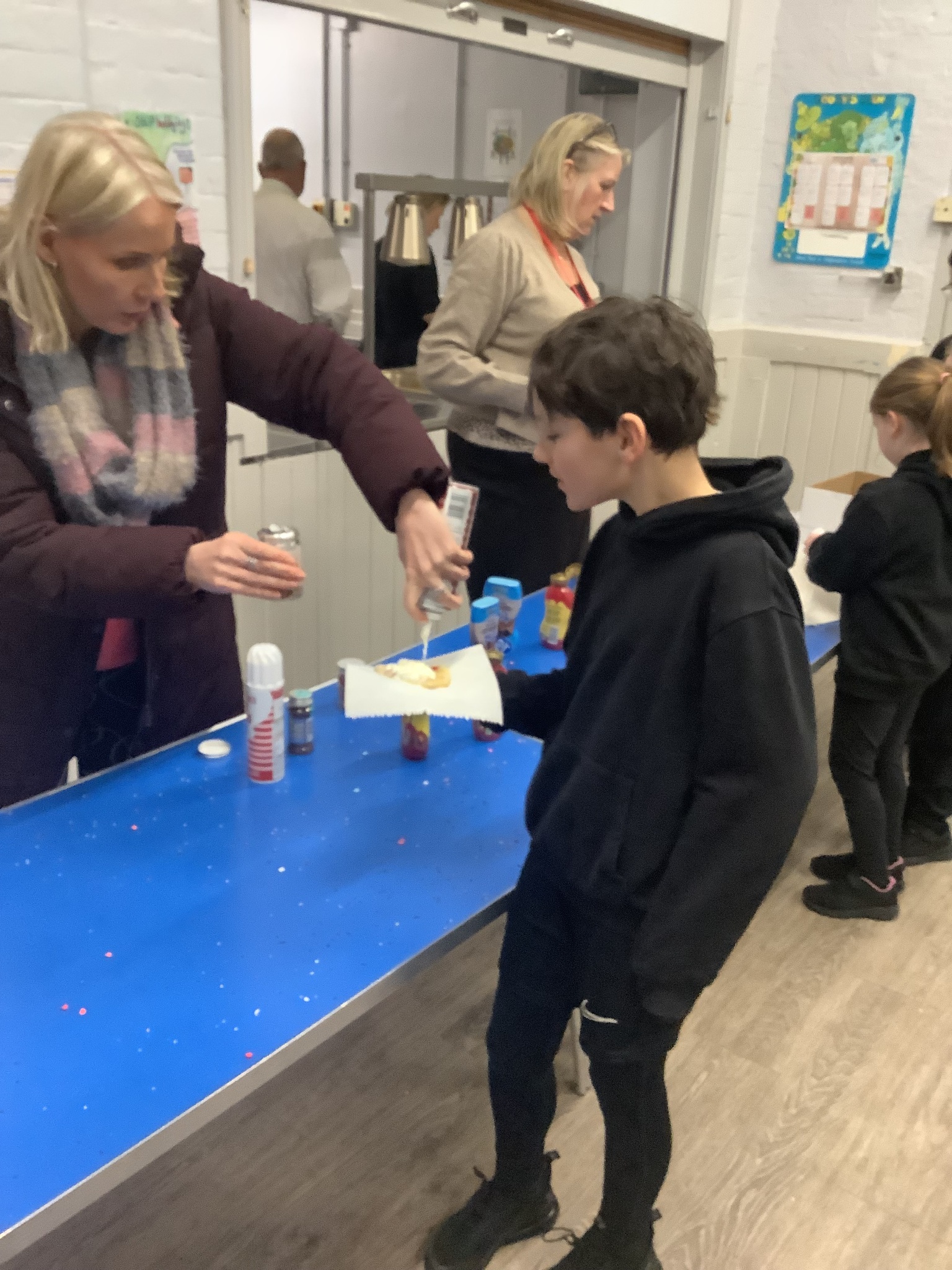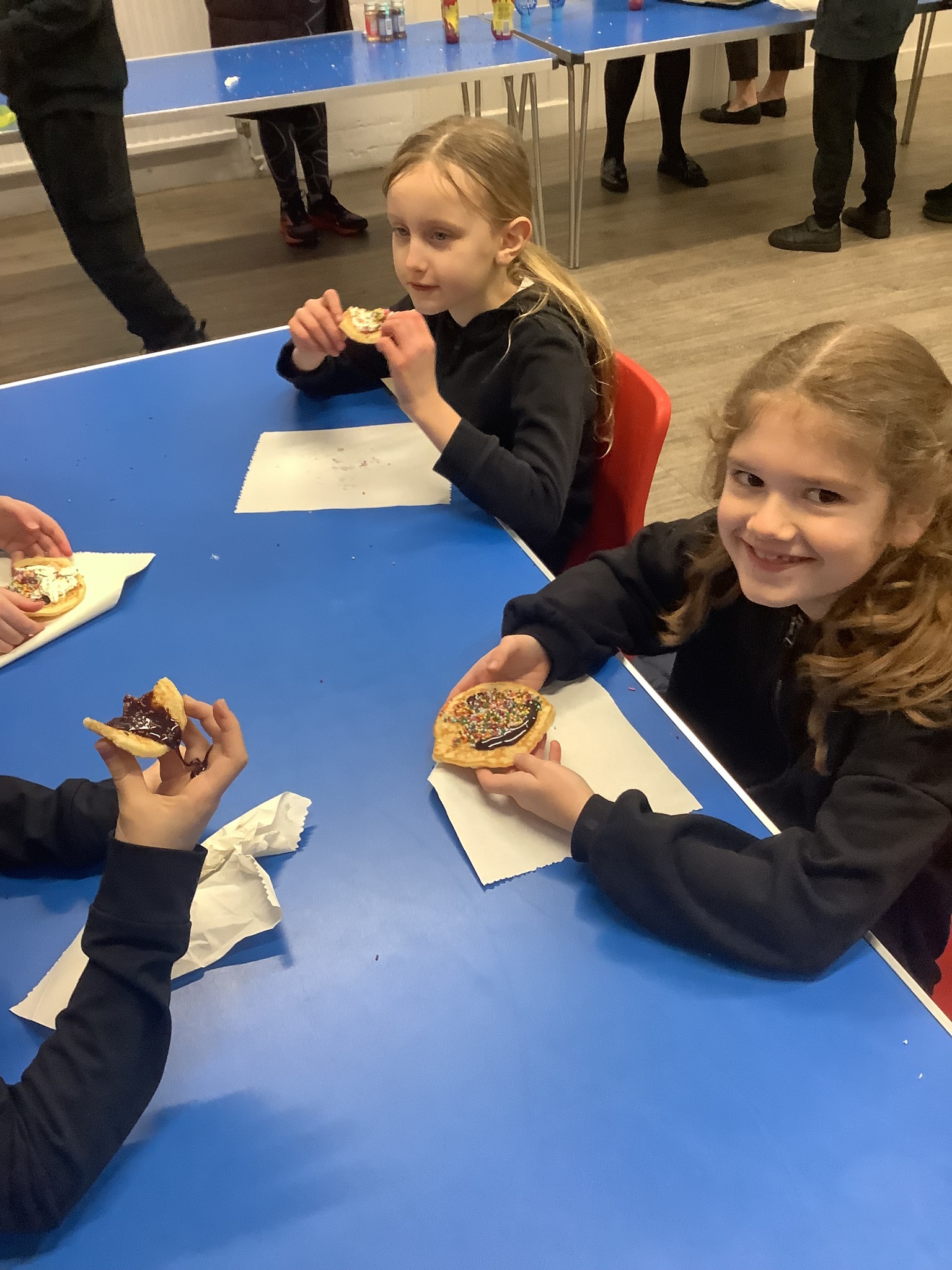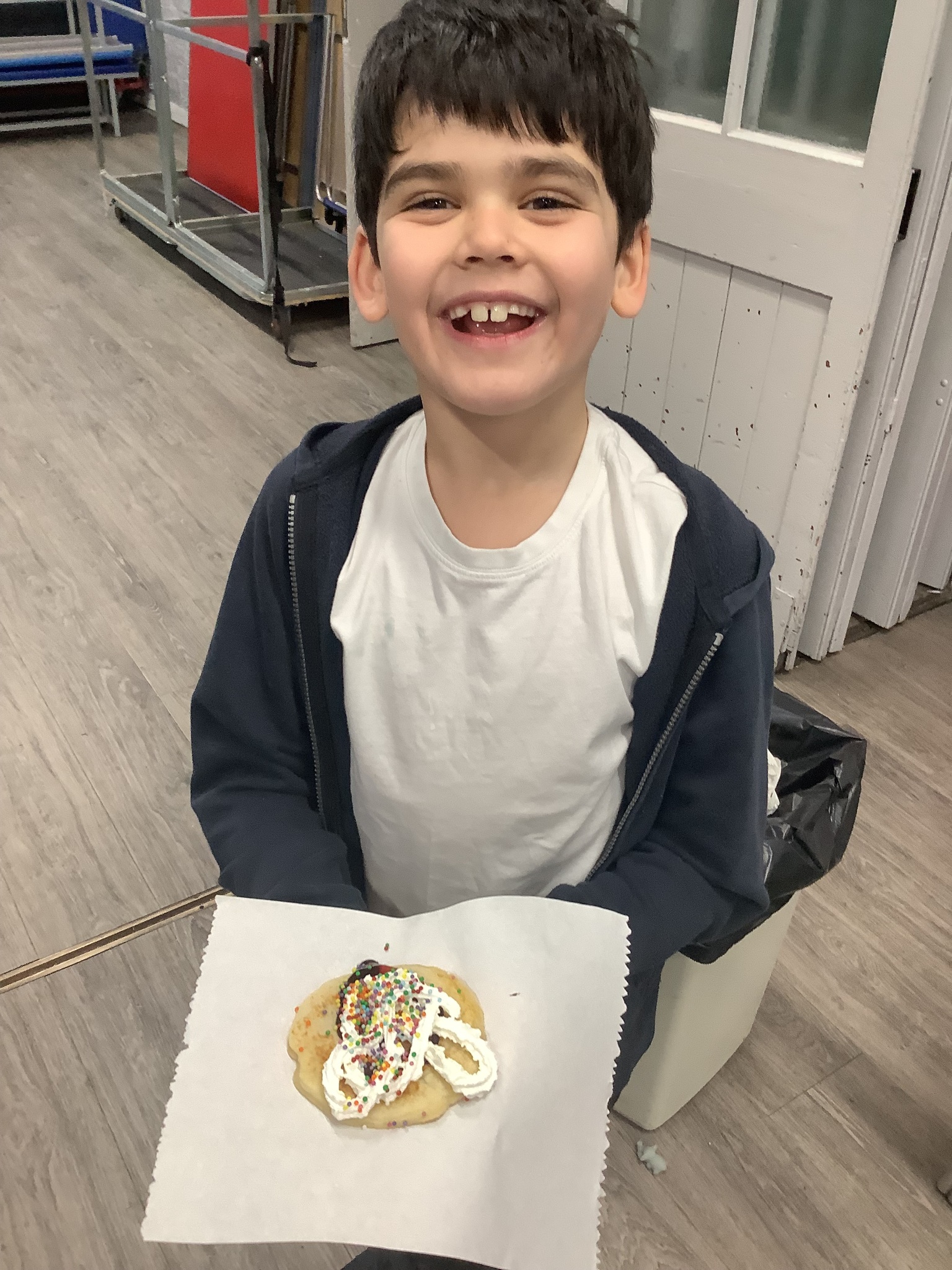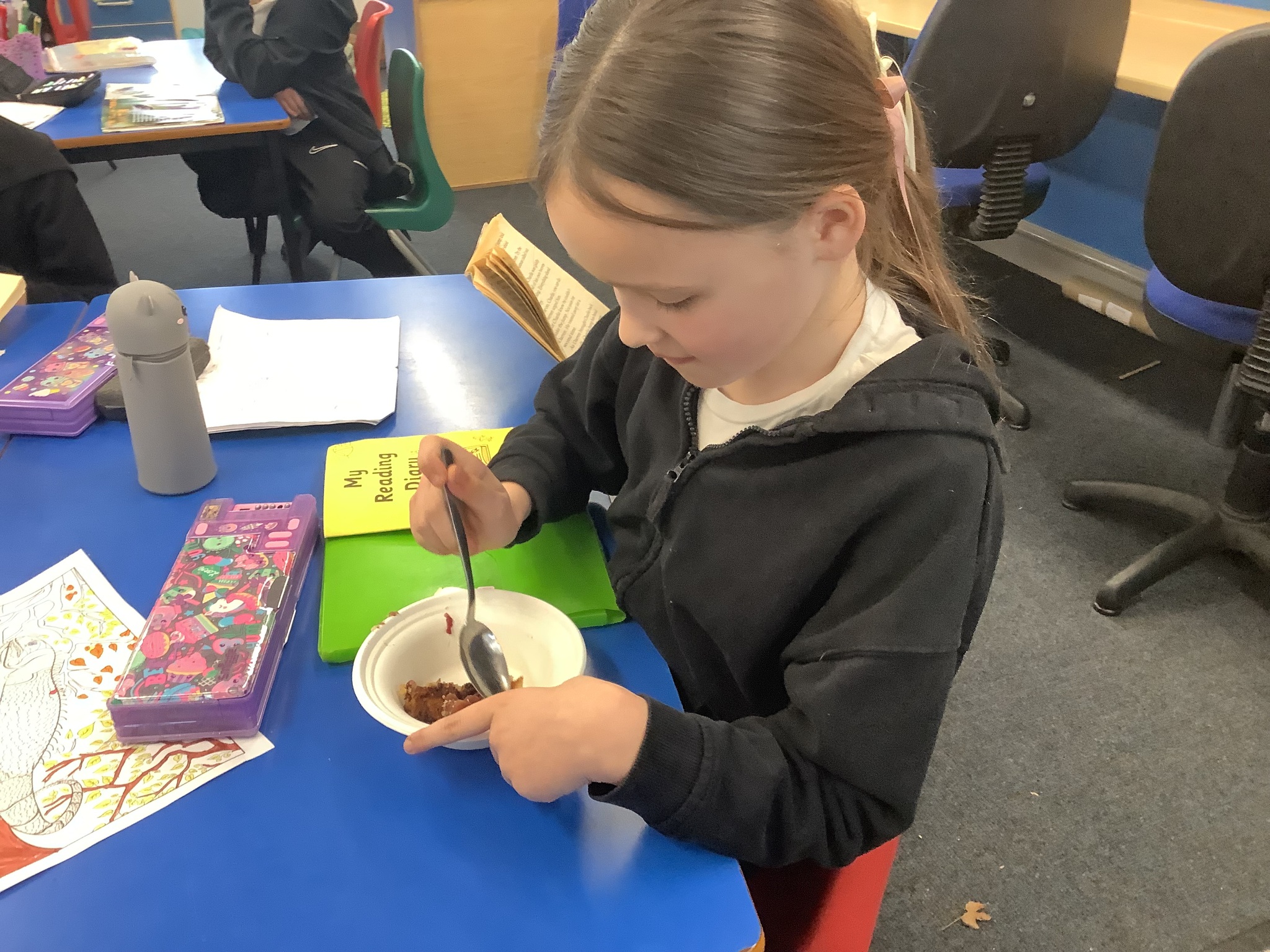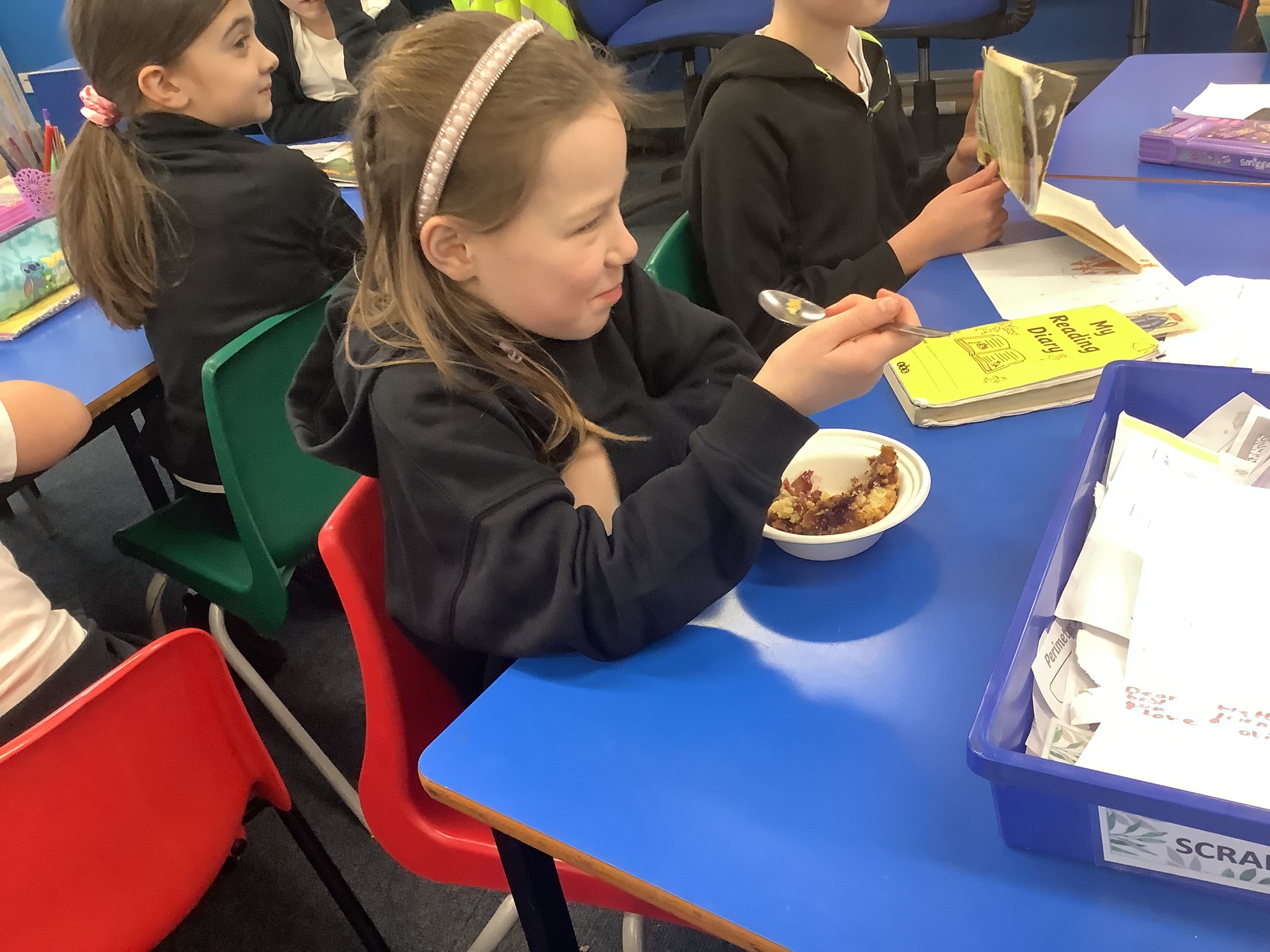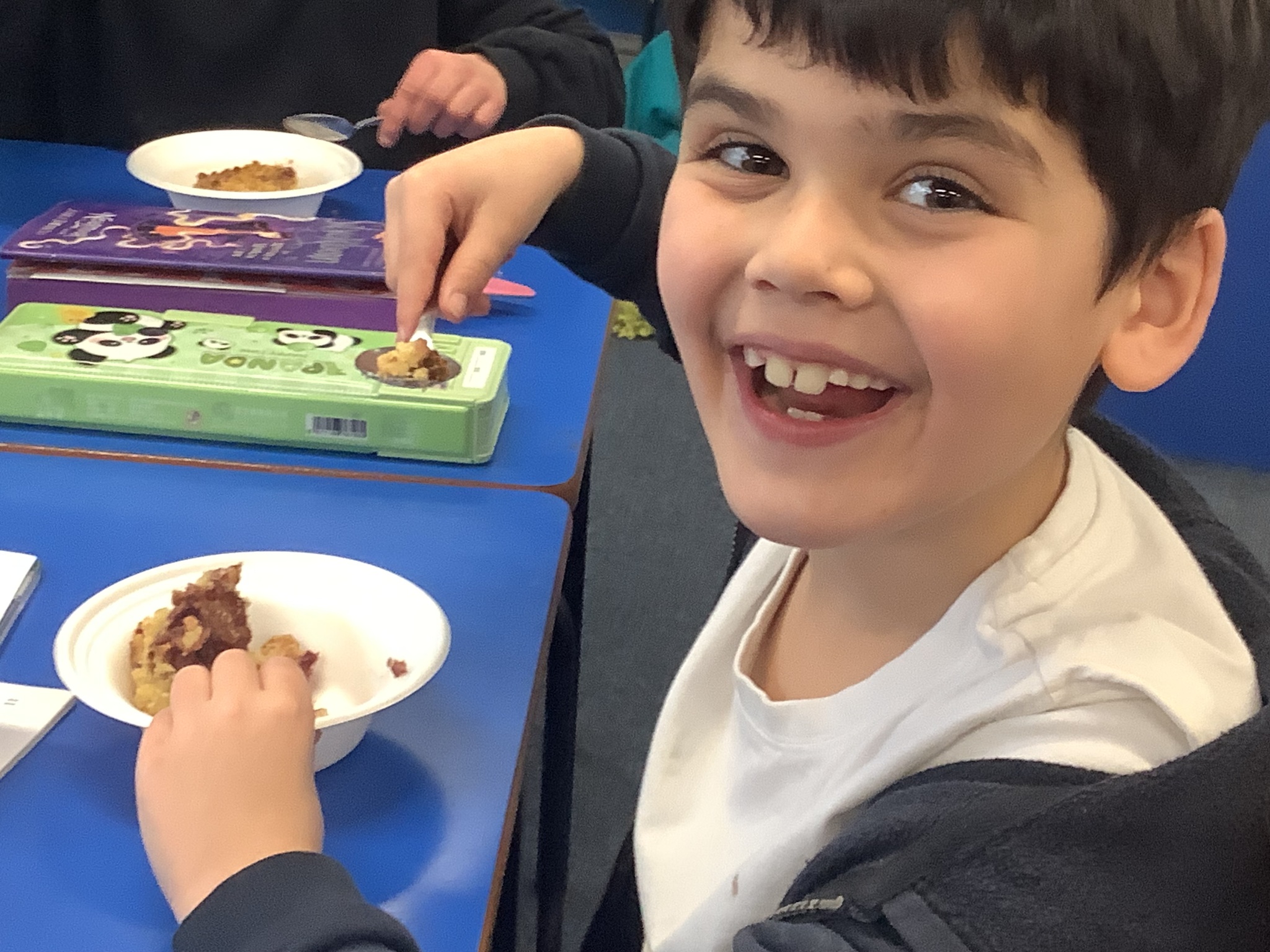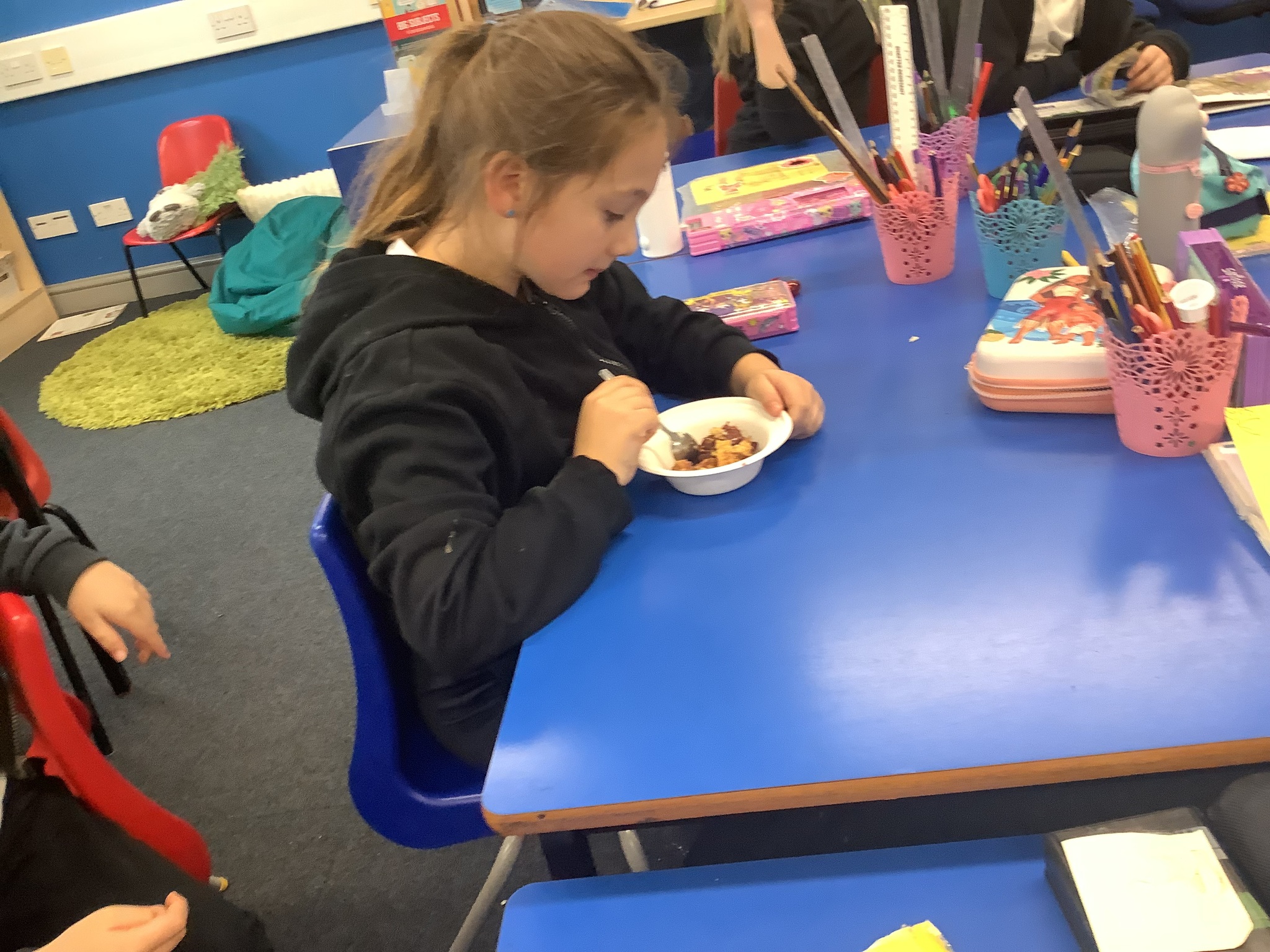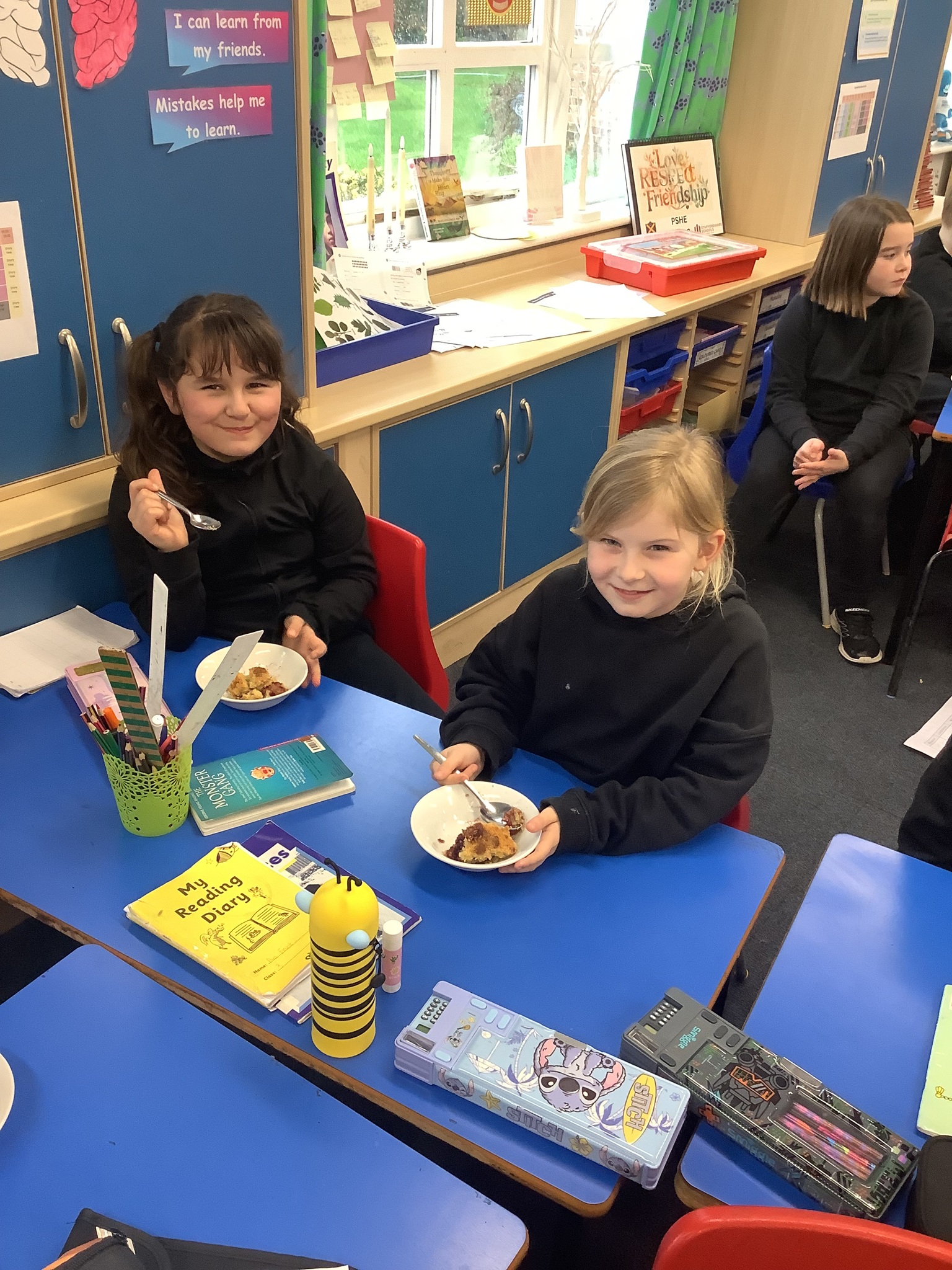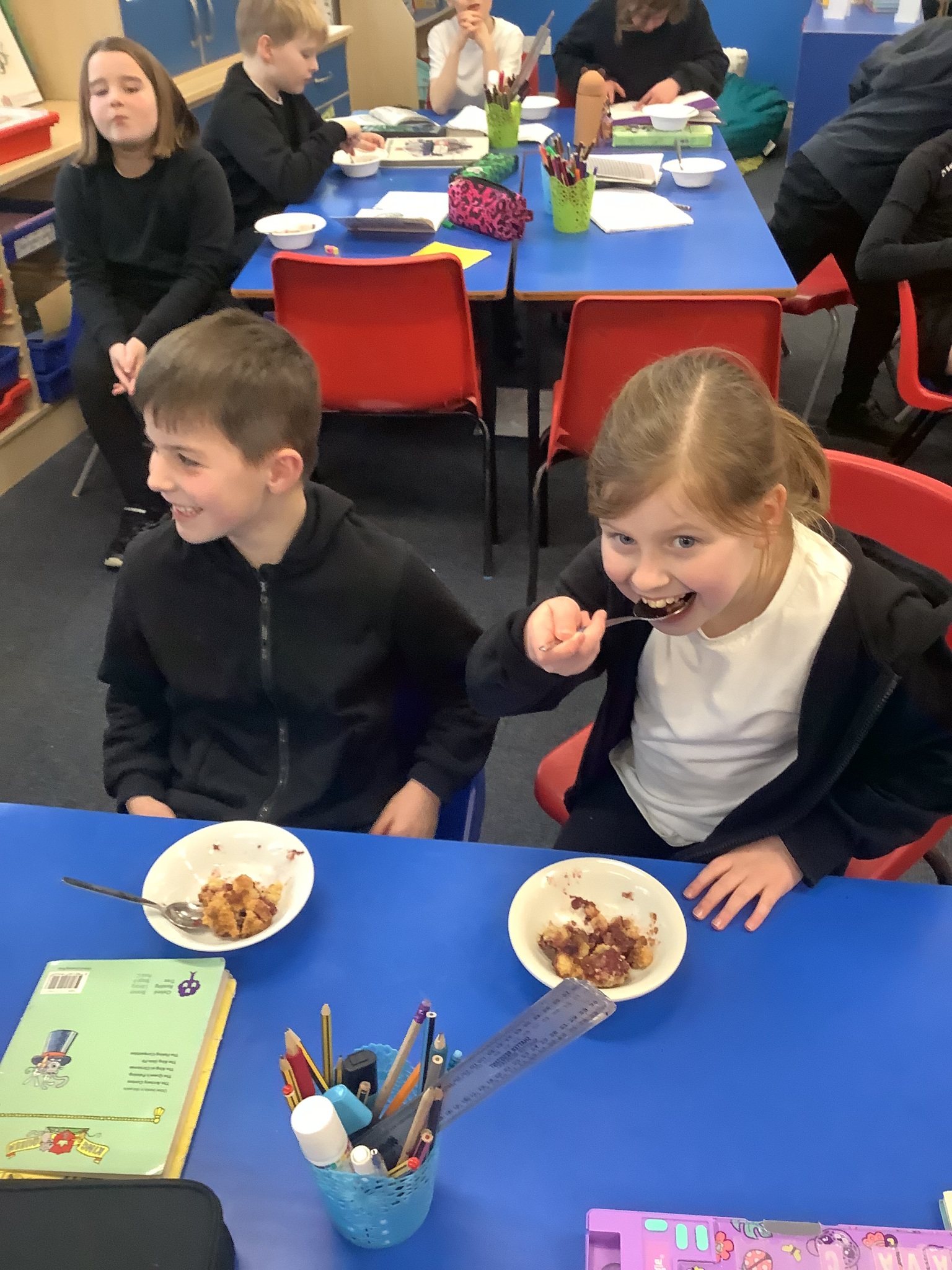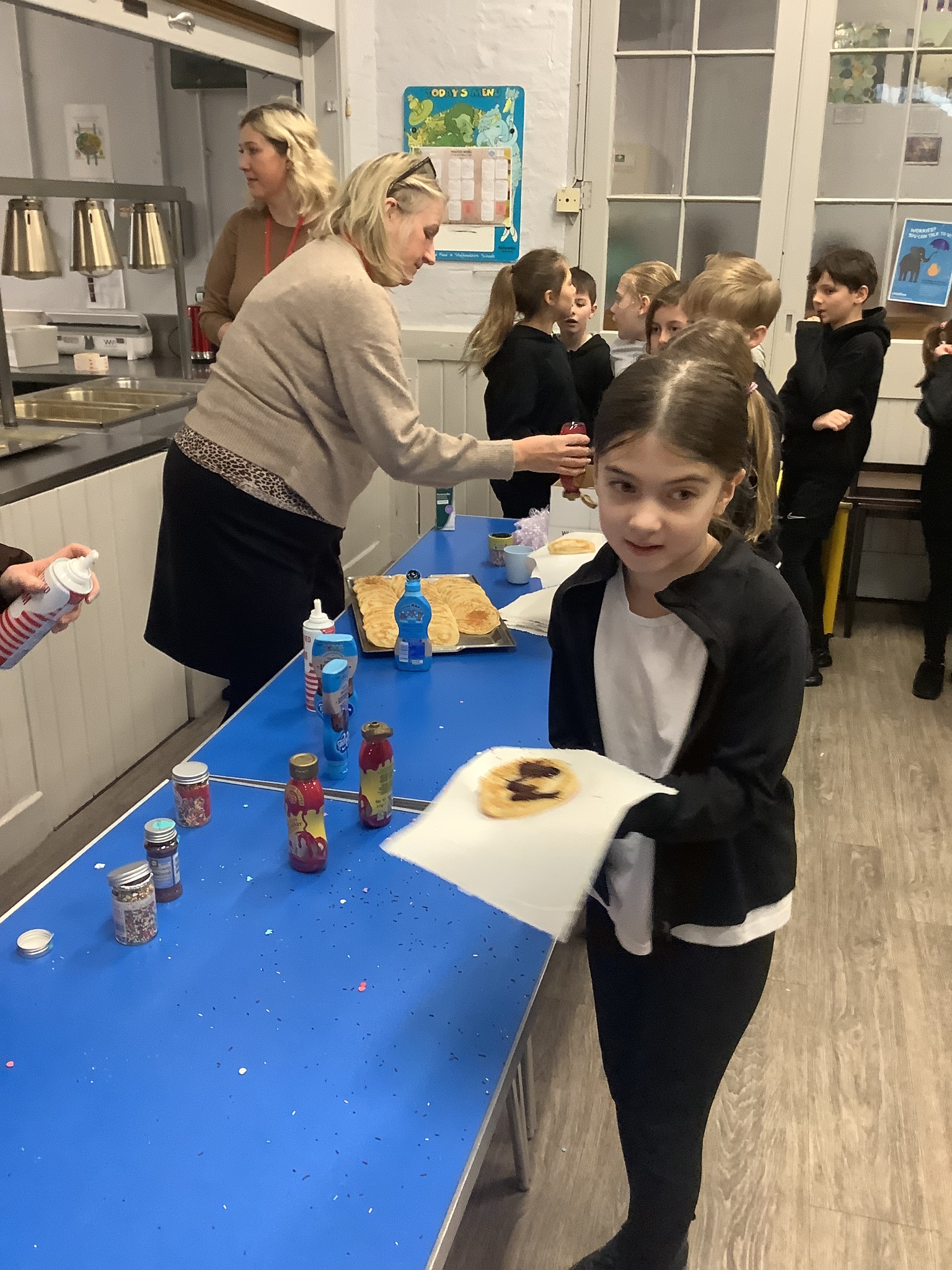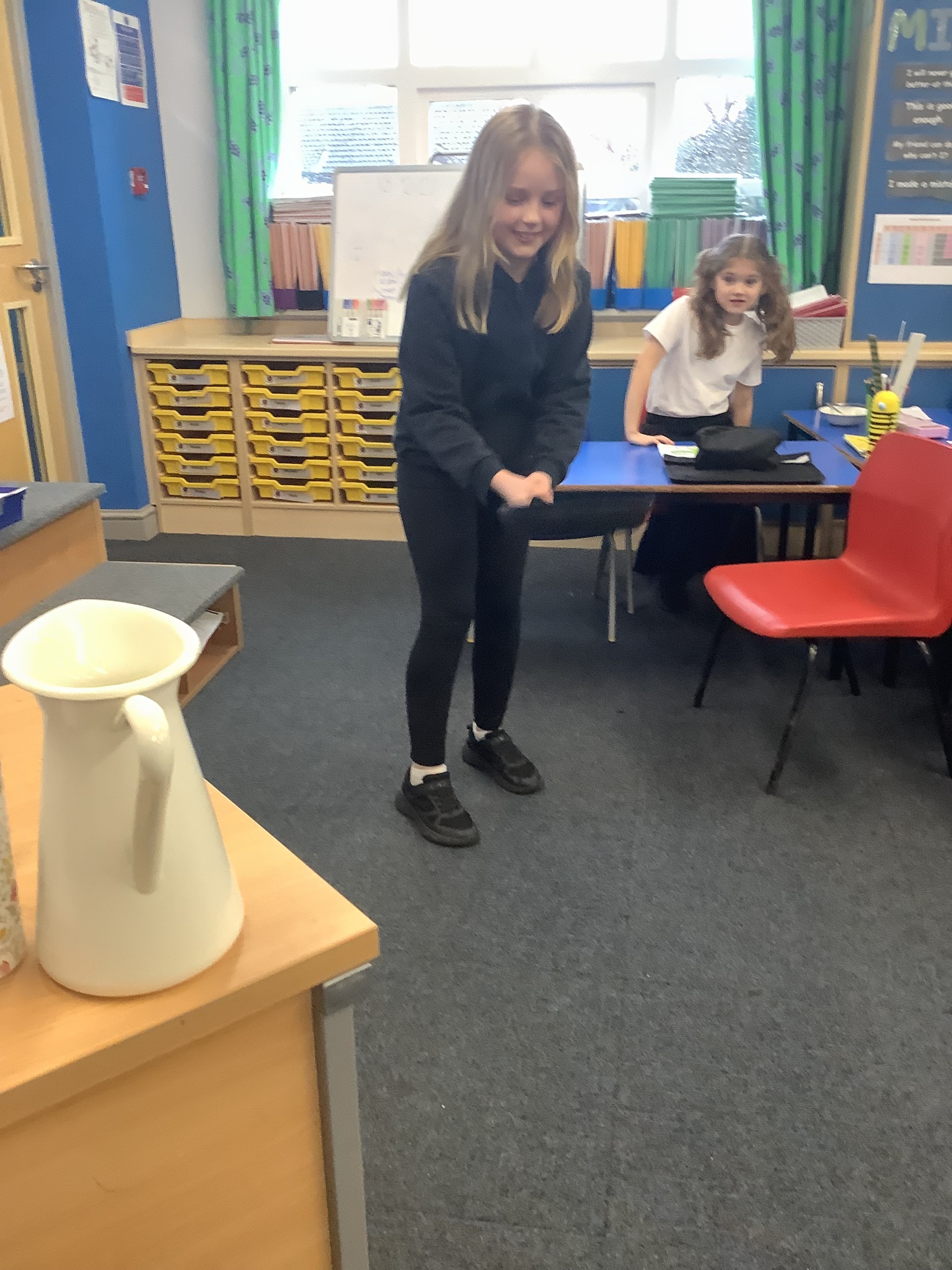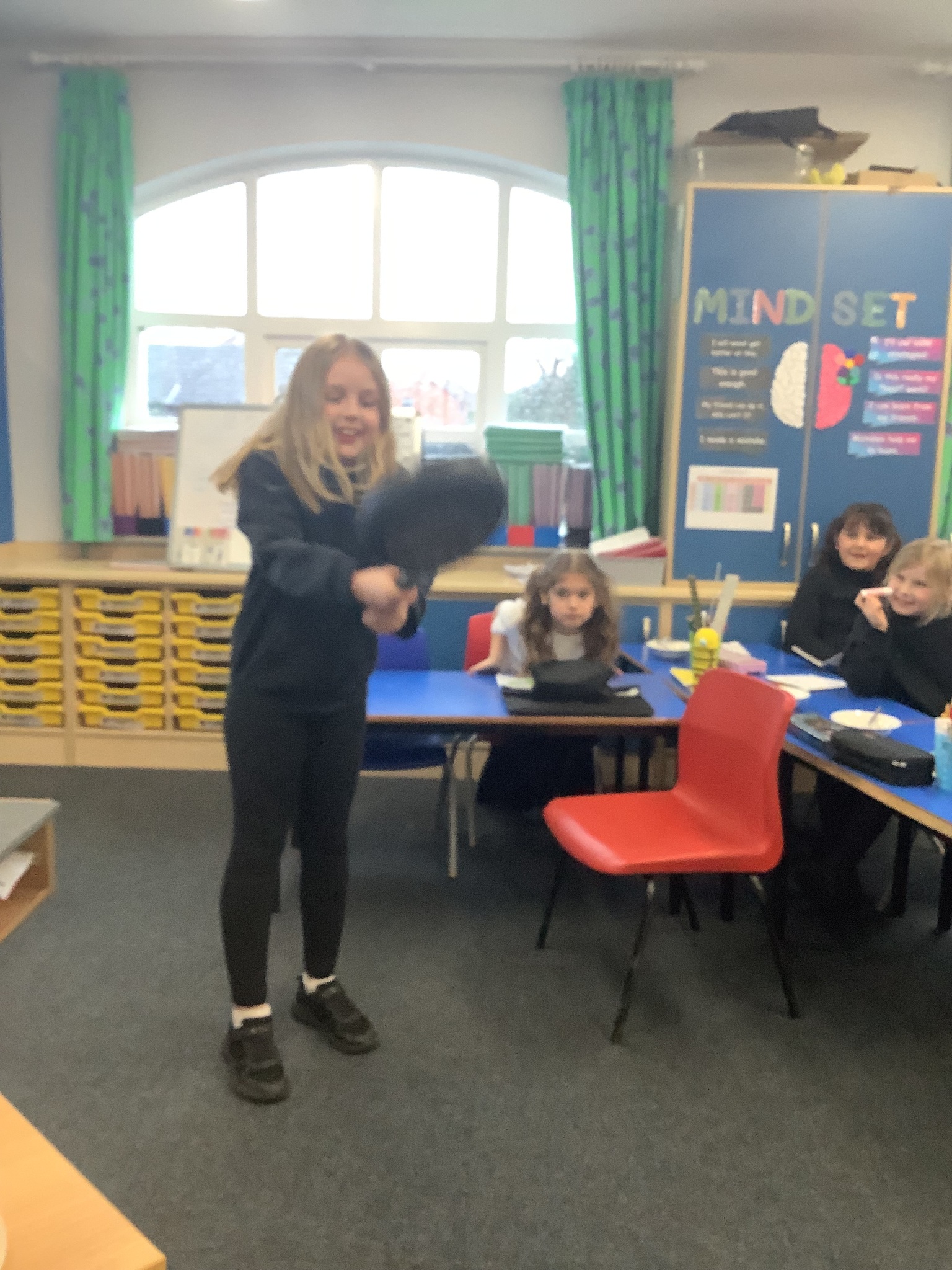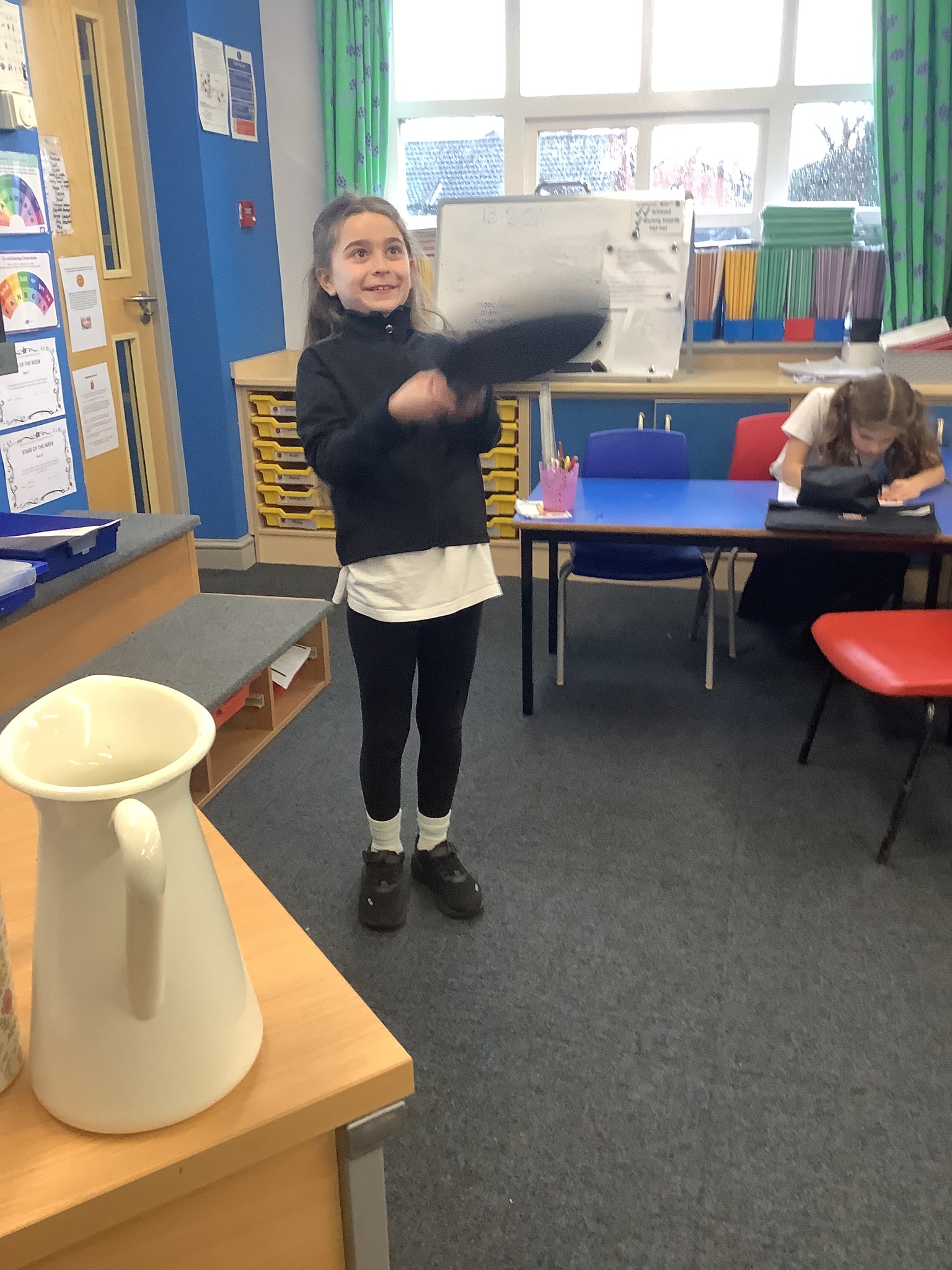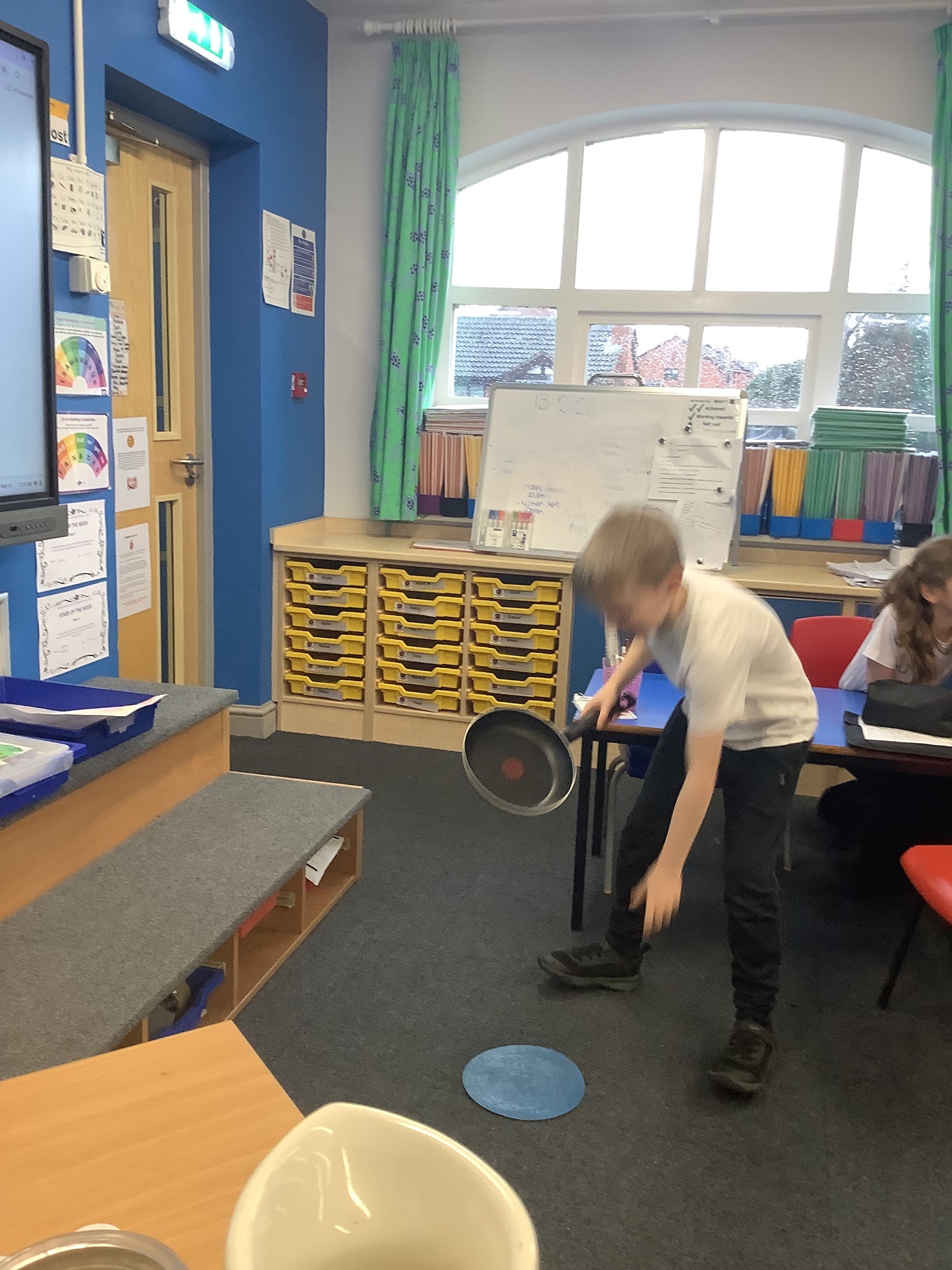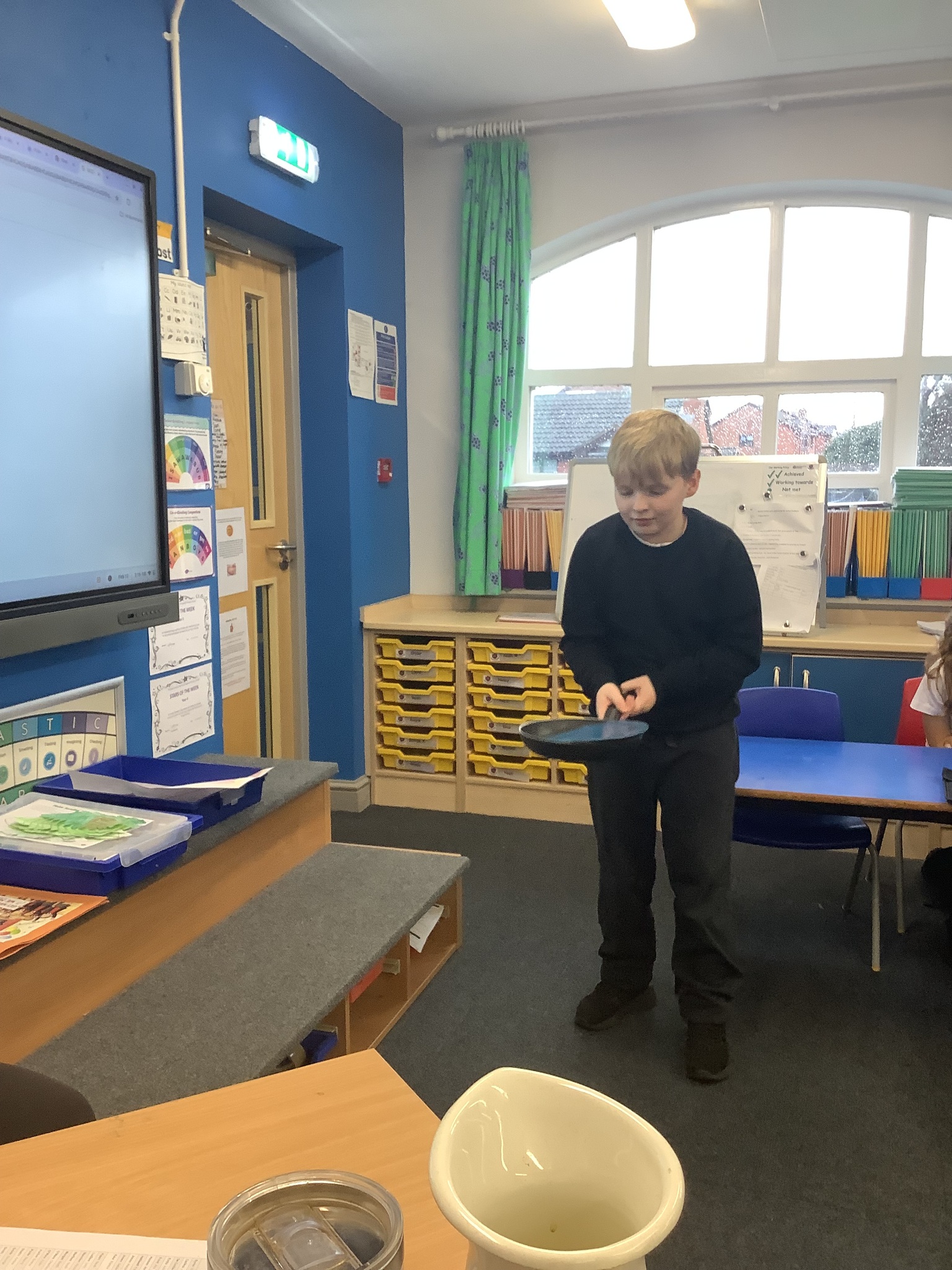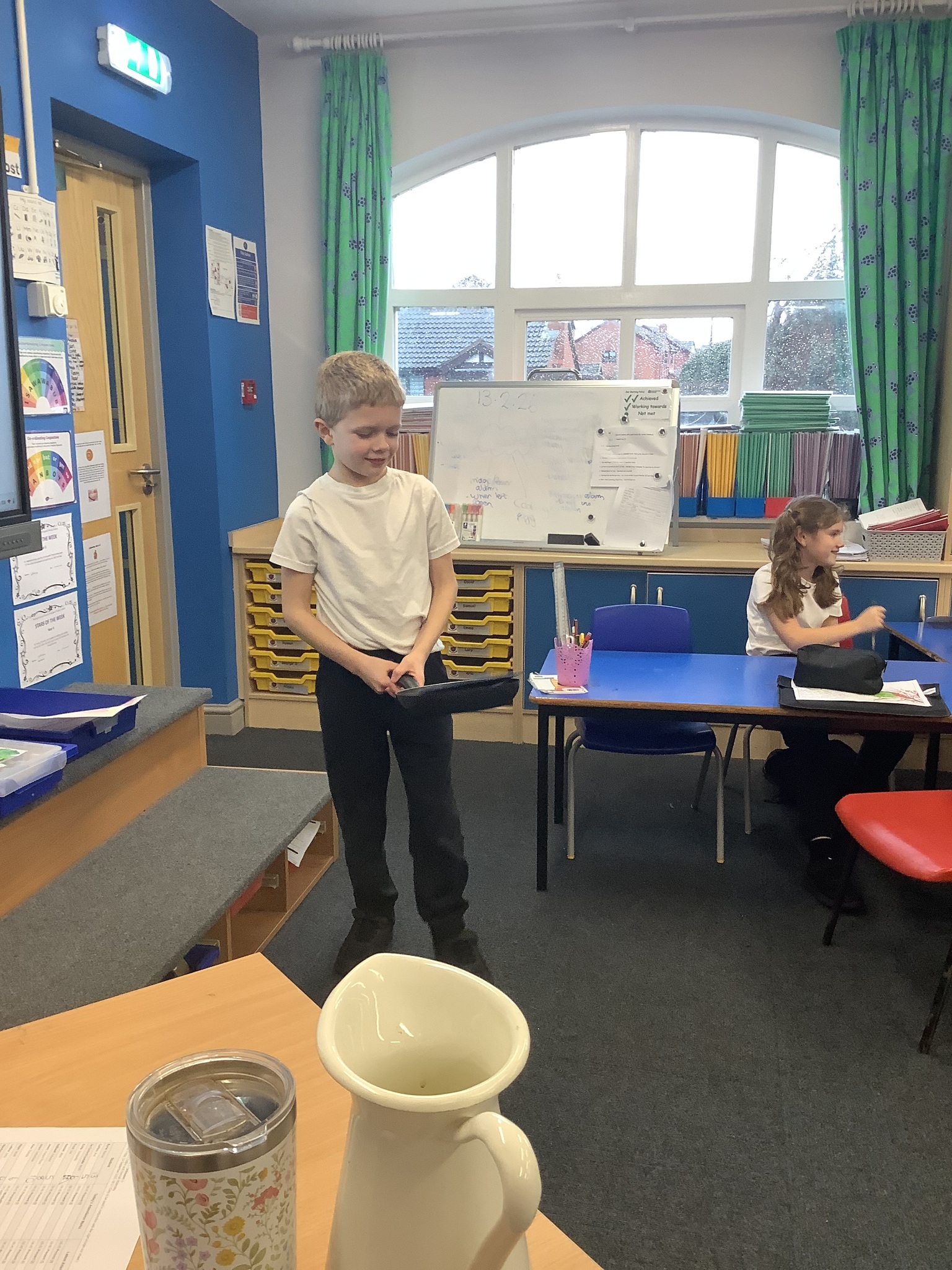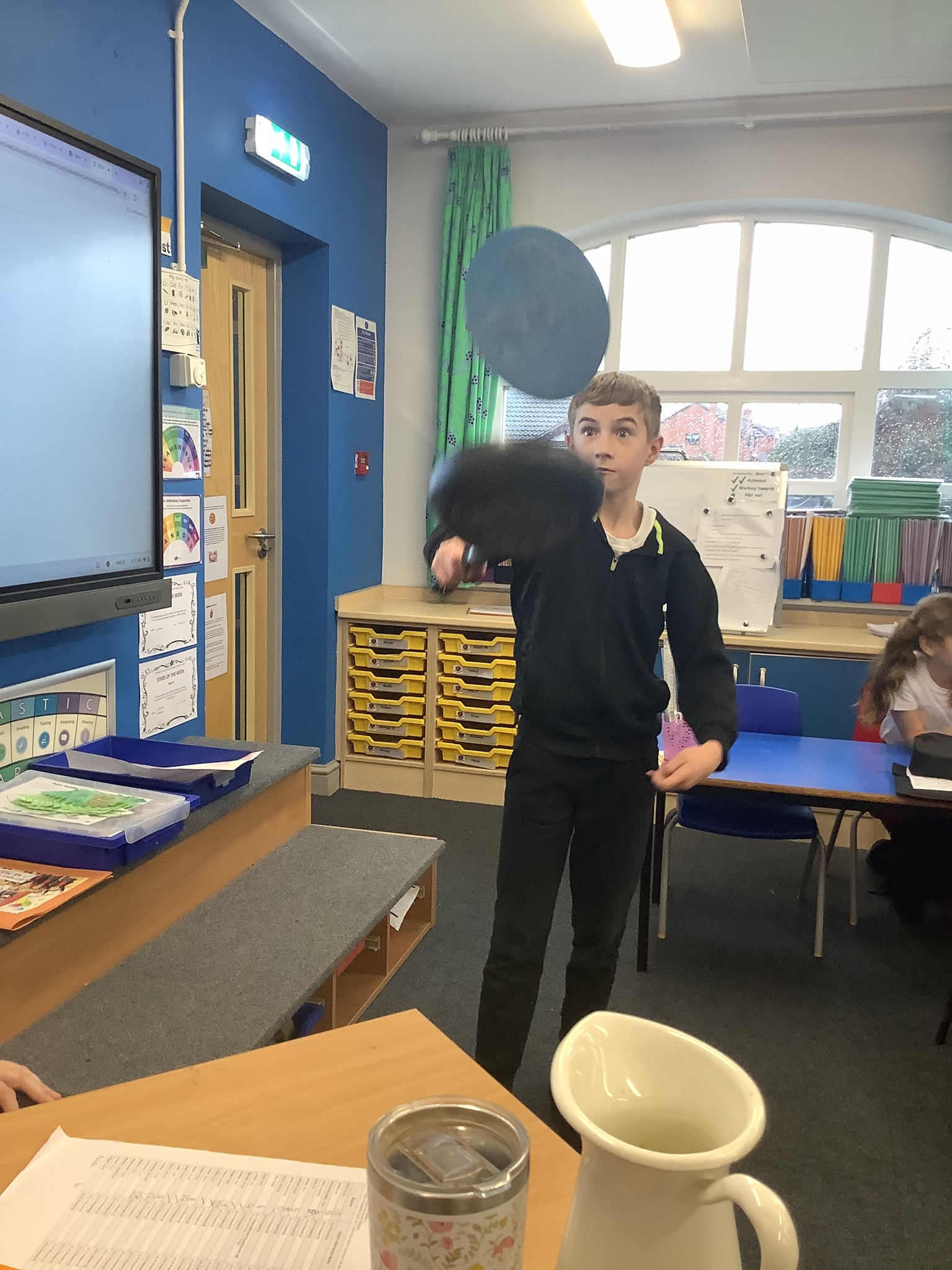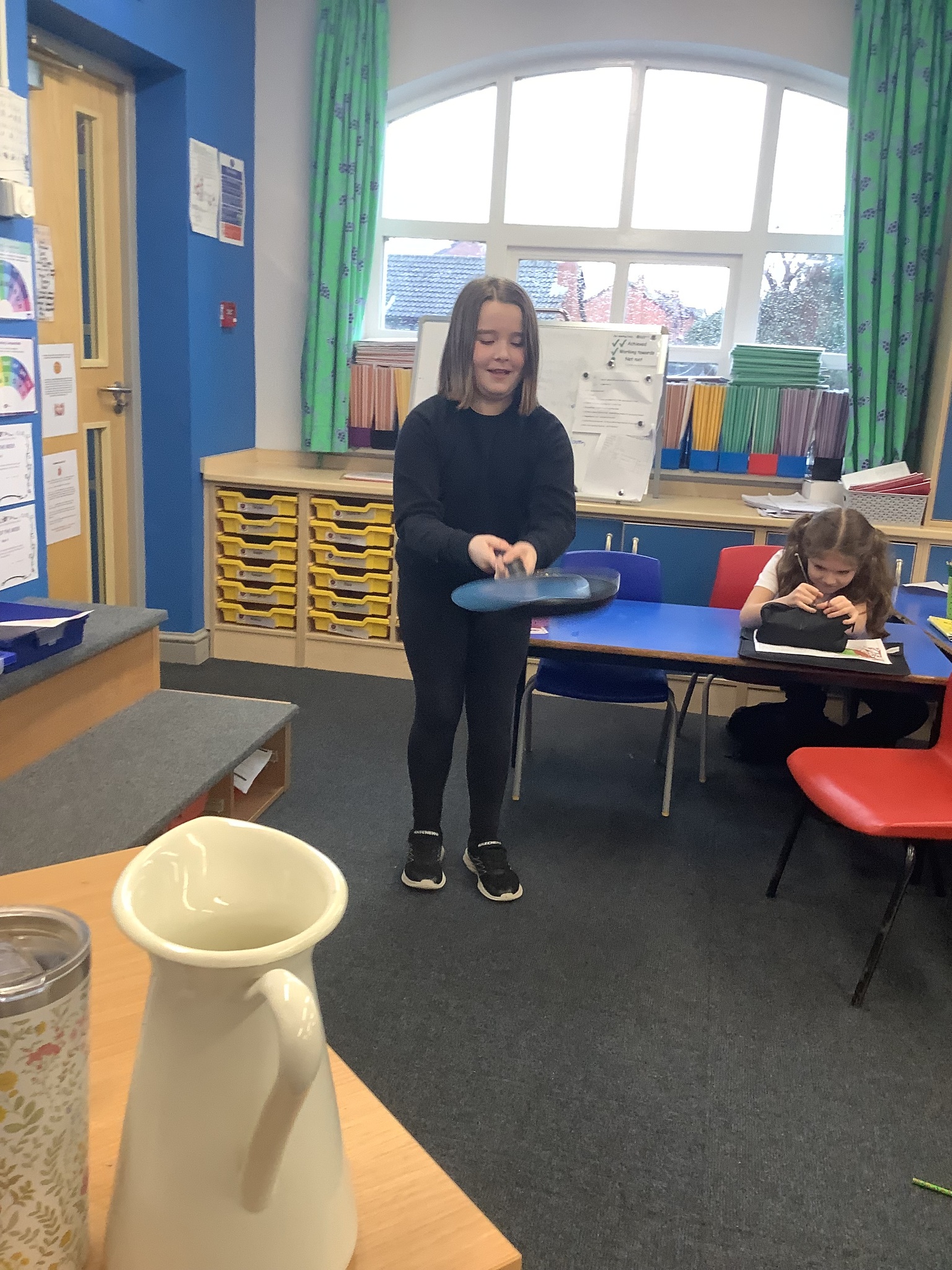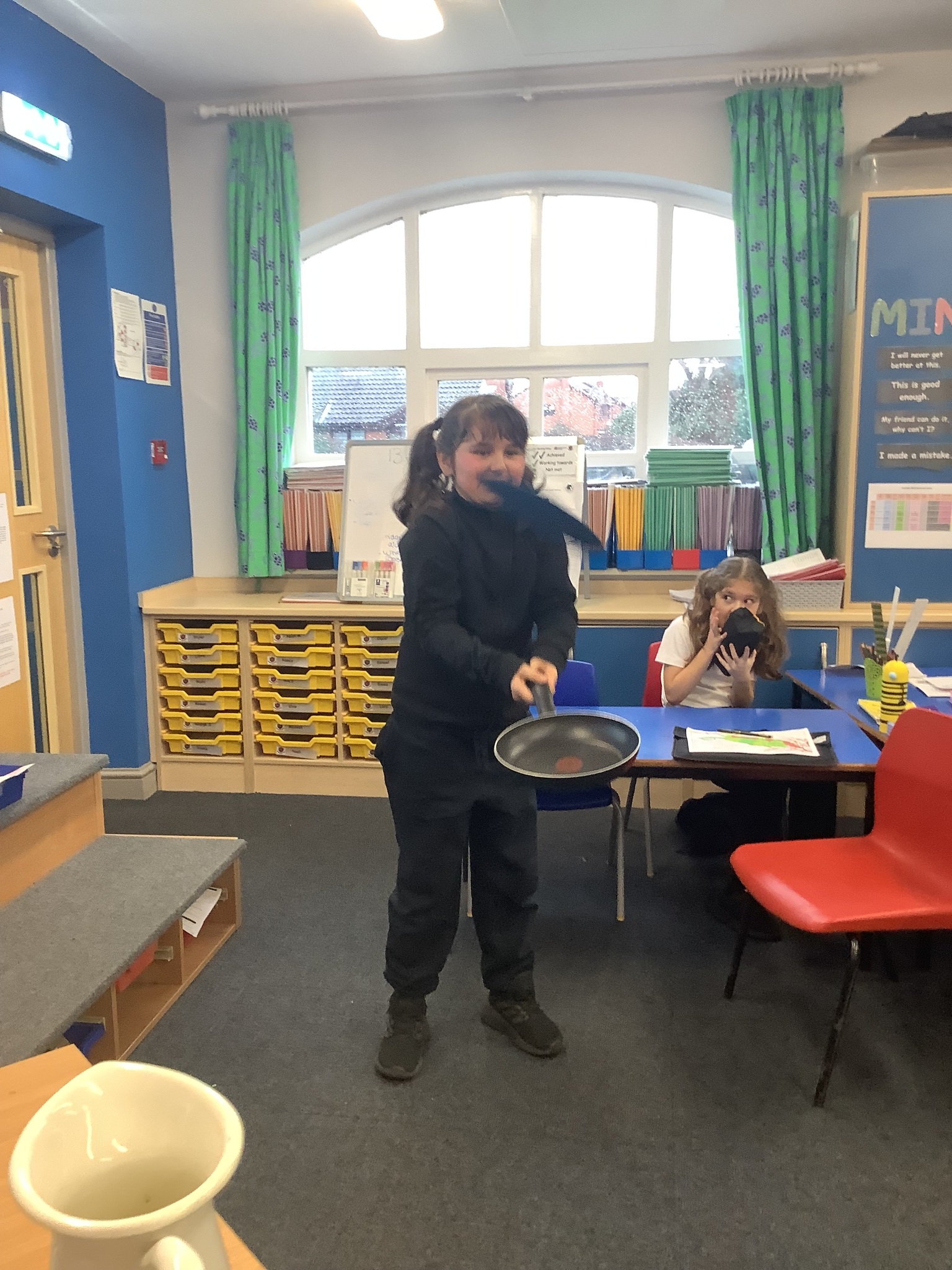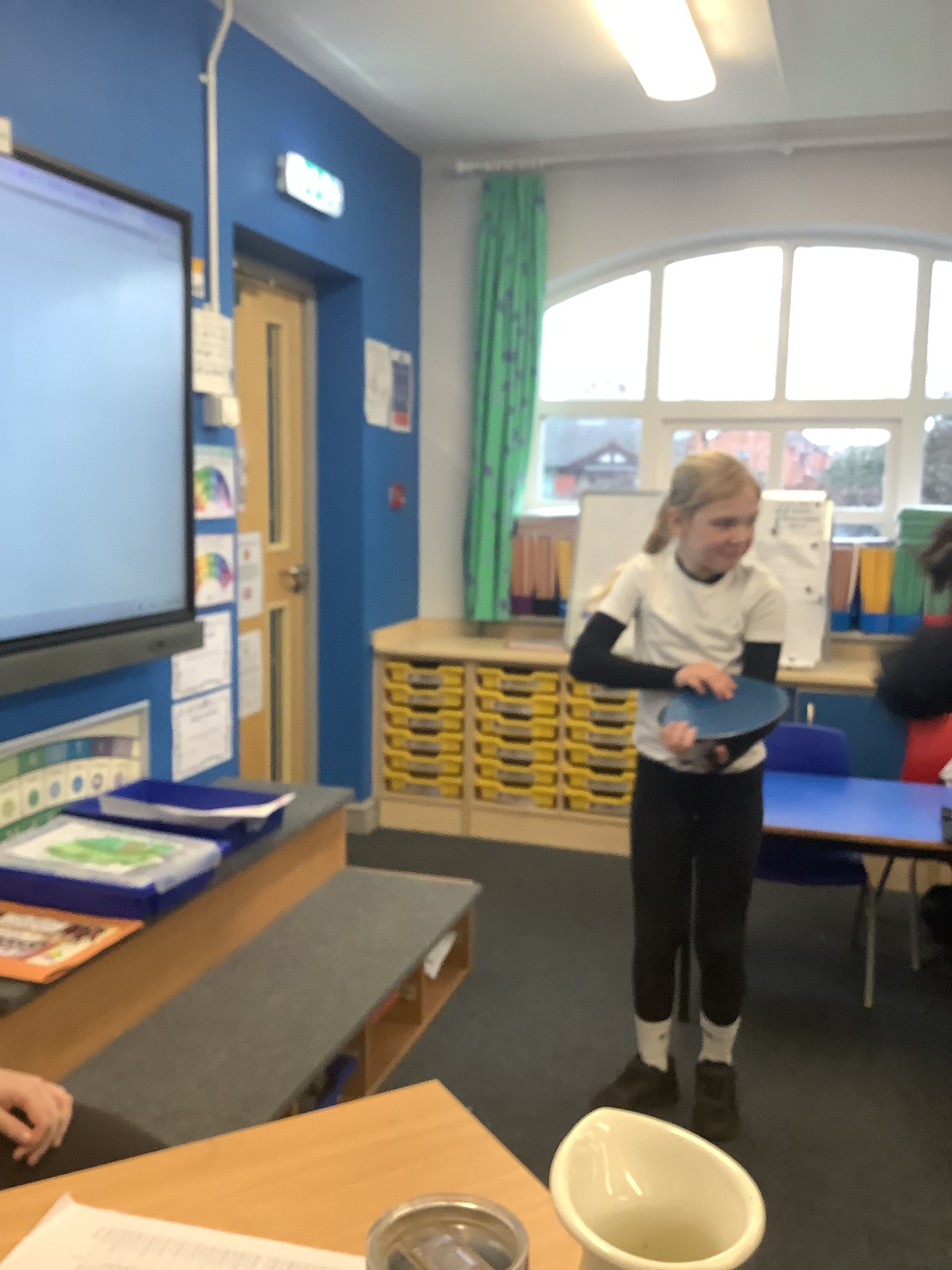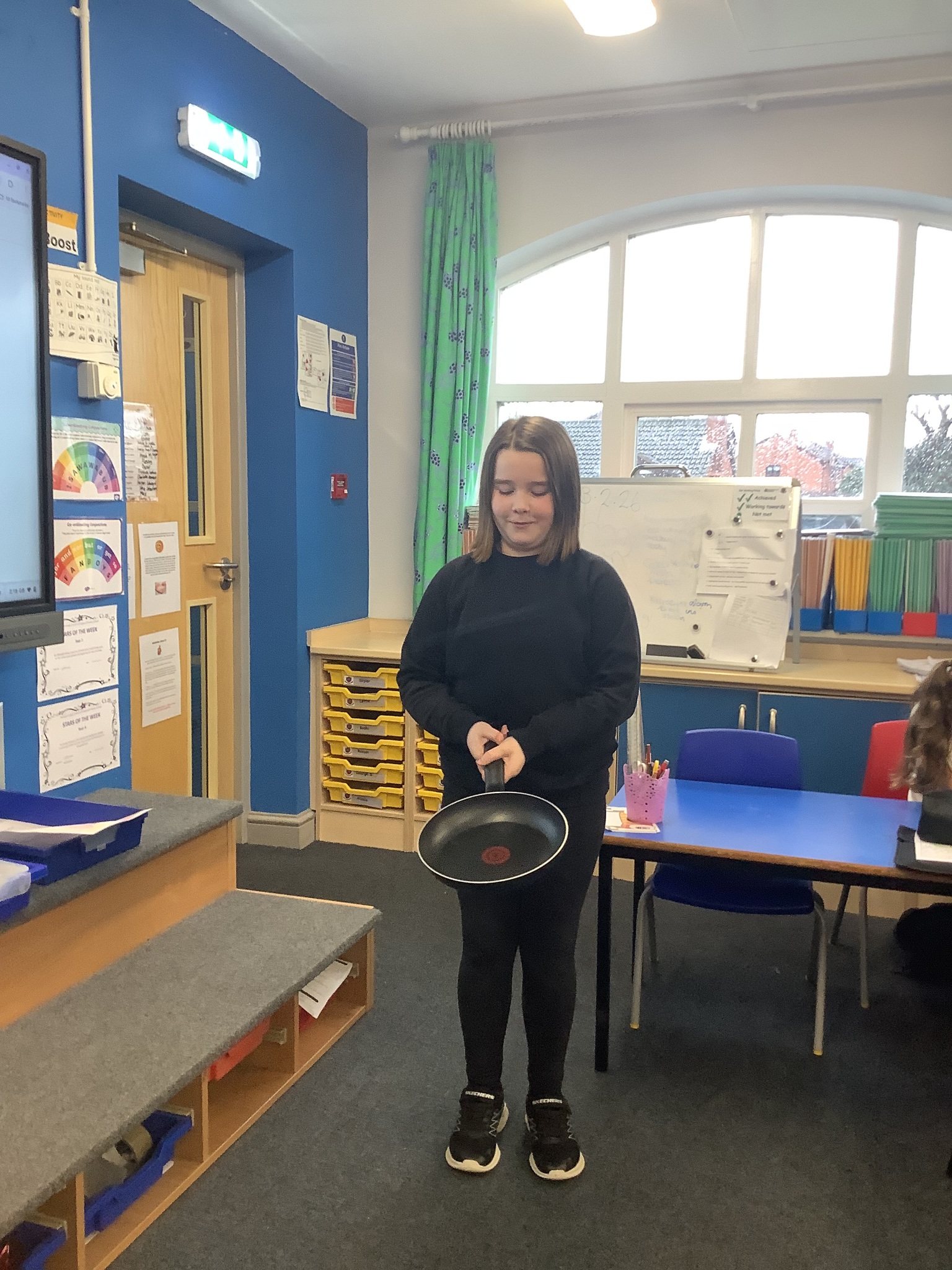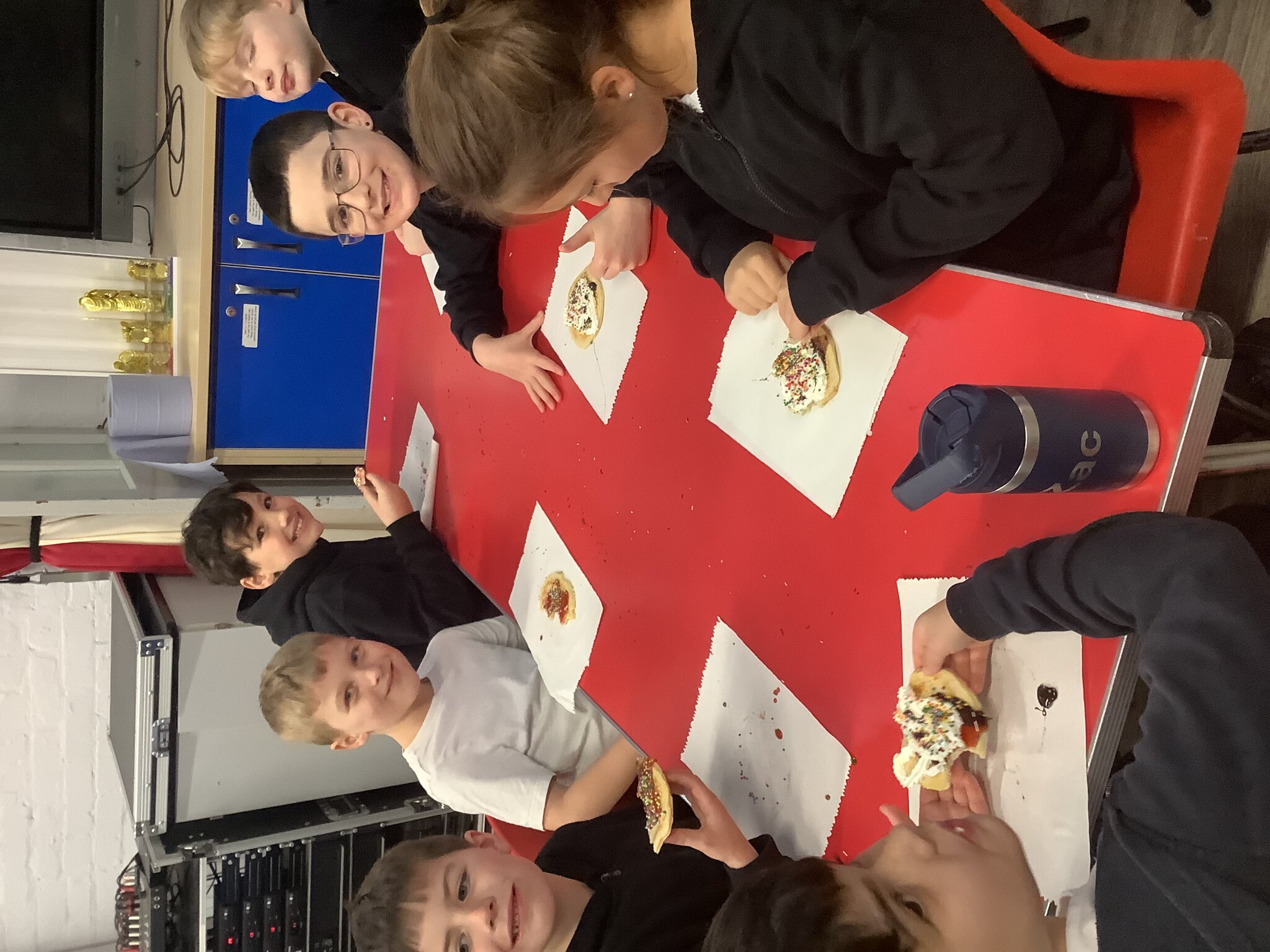
What a whirlwind of a week we’ve had! We kicked things off with high energy in gymnastics, mastering various ways of travelling, perfecting our jumps, and showing off some very smooth rolls. Our historical journey continued as we put the finishing touches on our Anglo-Saxon non-chronological reports in English, and we even got a taste of the past—literally—by making and trying traditional Anglo-Saxon puddings! The kitchen fun didn't stop there; we also celebrated Pancake Day by decorating our own delicious treats and competing in a high-stakes pancake flip competition. In the classroom, we successfully wrapped up our Maths unit on length and perimeter and took on the role of critics in DT to evaluate our alarm clock designs. Most importantly, we marked Children’s Mental Health Week with some truly thoughtful discussions about what ‘belonging’ means to each of us. By using our school inclusion code, we brainstormed ways to ensure our classroom remains a safe, caring, and supportive environment for everyone.
Oracy discussion: We tried both Anglo-Saxon puddings and modern pancakes this week. If you were a food critic, how would you describe the difference in taste and texture to someone who has never tried them?
A review from Miss Partington about Year 4's outdoor learning afternoon:
What a fantastic afternoon Year 4 had for our outdoor learning session, exploring how every living thing is connected. We didn’t just learn about ecosystems; we became one!
We began by recapping predator and prey and food chains from our last lesson, which then led us to our exciting game of Triangle Tag. This game helped us understand how animals work together to survive.It was high-energy and very loud! We learned that being a predator takes a lot of strategy, but being part of a group makes the prey much harder to catch.
After our games of tag we turned ourselves and our learning area into a giant spider web. Using a ball of wool, and each becoming a component of woodland food chains, we traced how energy travels from the Sun to the plants (Producers) and then to the animals (Consumers). By the time we were finished, every single person was attached to the web. It was amazing to see how a simple food chain: Grass - Rabbit - Fox actually turns into a messy, beautiful web when you add in caterpillars, small birds and owls!
We then explored, What if? What if all the dandelions disappeared?What if all the rabbits disappeared? They then had to drop their wool. It showed us that if one small part of nature gets hurt, the whole system feels it.
Next time you’re in the garden, have a think: If the bees disappeared tomorrow, who else would be affected?????
Have a wonderful half term,
Miss Collins
2026 Class 3 Spring 1 Week 6